
Blogs
Finding the Right Sports Therapist in Singapore: A Comprehensive Guide
Sports therapy is a specialized field of healthcare that focuses on the prevention, diagnosis, and treatment of injuries related to sports and physical activity. In Singapore, sports therapy is gaining popularity as more people are becoming interested in sports and fitness. Sports therapists in Singapore play a critical role in helping athletes and fitness enthusiasts maintain their health and performance by providing treatment for injuries and designing exercise programs.
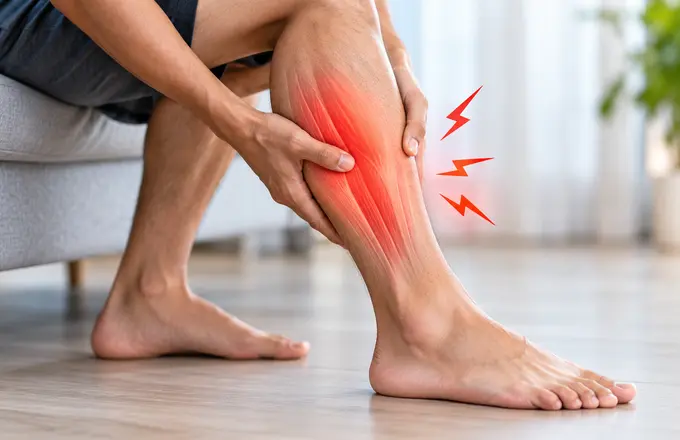
Calf Pain After Running: Causes, Treatment & Recovery
Calf pain after running can range from normal muscle soreness to a strain or tendon problem. Learn about common causes, symptoms and when calf pain needs assessment.
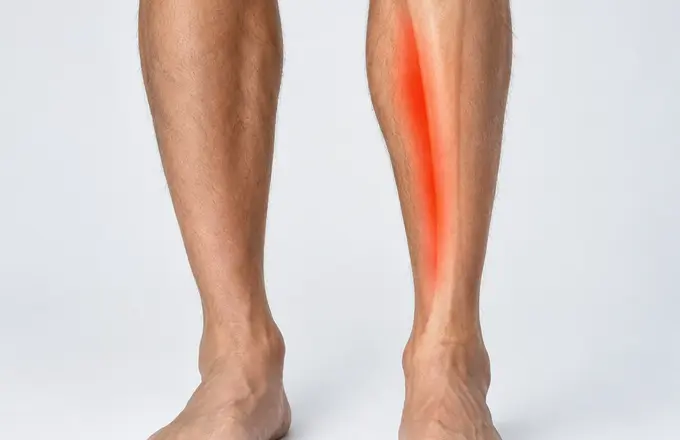
Shin Splints : Causes, Treatment & Recovery
Shin pain can be frustrating, especially when you are trying to build your running routine. Learn about shin splints, common causes, symptoms, treatment, recovery, exercises and how to safely return to running in Singapore.
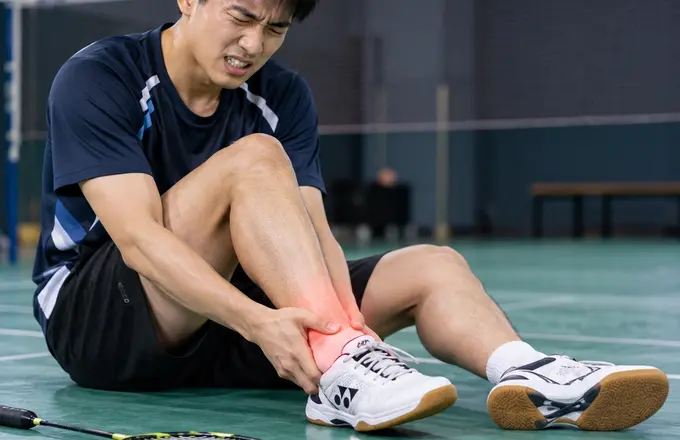
Badminton Ankle Injuries: Causes, Treatment & Recovery
Rolled your ankle while playing badminton? Ankle sprains are common with sudden lunges, jumps and changes of direction. Learn about badminton ankle injuries, common symptoms, treatment, recovery time, rehabilitation and how to safely return to the court in Singapore.
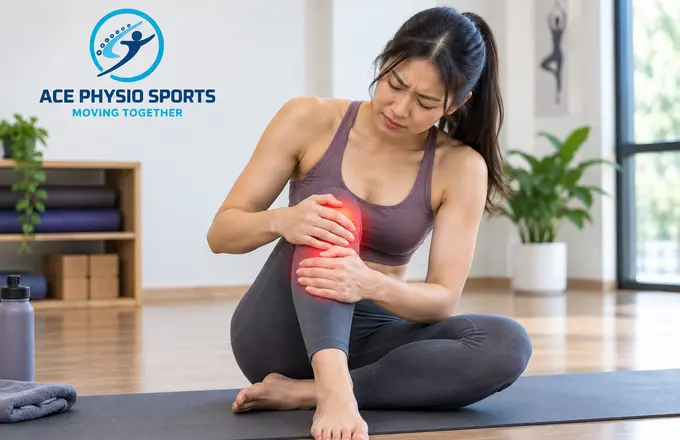
Yoga Injuries : Common Pain, Treatment & Recovery
Yoga should help you feel stronger and more mobile, but pain can sometimes develop in the back, shoulders, wrists, hips or knees. Learn about common yoga injuries, why they happen, when to seek help and how physiotherapy can support your recovery and return to yoga.

Running Injuries: Causes, Treatment & How to Recover
Running is one of the simplest ways to stay active, but increasing mileage, changing training too quickly or ignoring persistent pain can lead to injury. Learn the common running injuries, why they happen, what you can do and when to see a physiotherapist.
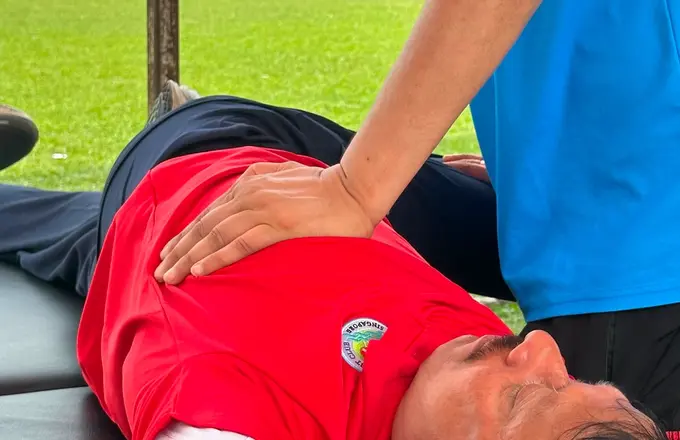
Supporting Cricket Athletes at the Mariners Premier League 2026
ACE Physio Sports was proud to support athletes at the Mariners Premier League 2026 in Singapore, providing physiotherapy, recovery and rehabilitation support during a memorable cricket event that brought together players and cricket legends.
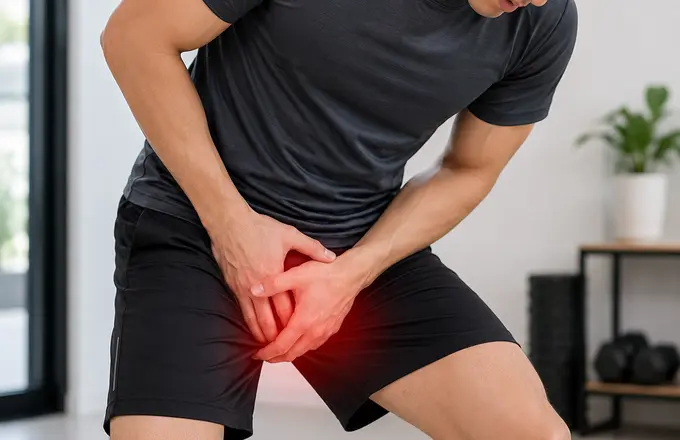
Groin Pain: Causes, Treatment & Physiotherapy
Groin pain can affect runners, footballers, gym-goers and active individuals of all ages. Learn the common causes, treatment options, recovery timeline and when physiotherapy may help you return to activity safely.
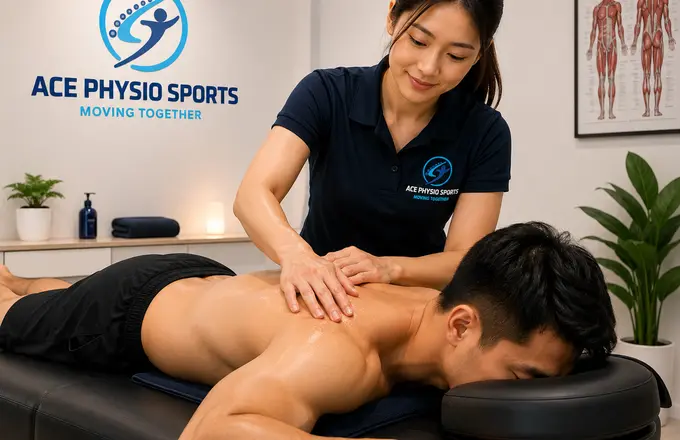
Sports Massage: Benefits, Recovery & When You Need One
Whether you're training for a marathon, recovering after the gym or managing persistent muscle tightness, sports massage can support recovery and movement. Learn how it works, who benefits, when to book a session and how it complements physiotherapy in Singapore.
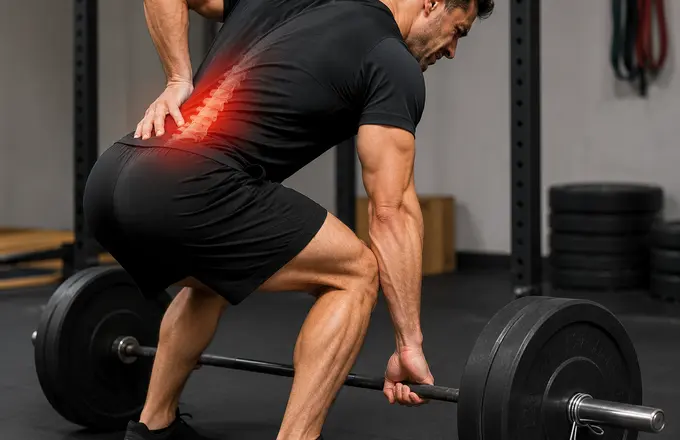
Lower Back Pain After Deadlifts: Causes, Treatment & When to See a Physiotherapist
Lower back pain after deadlifts isn't always a sign of injury. Learn the common causes, recovery strategies, warning signs and when physiotherapy can help you return to lifting safely.
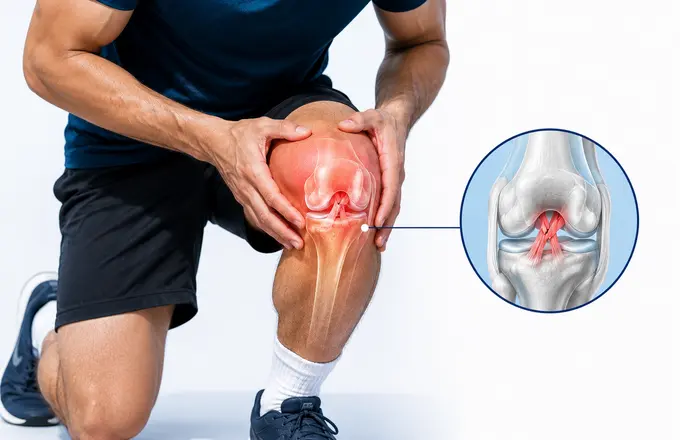
ACL Injury : Symptoms, Physiotherapy, Treatment, Surgery & Rehabilitation
An ACL injury can affect your stability, confidence and ability to stay active. Learn the symptoms, diagnosis, treatment options, physiotherapy rehabilitation and safe return-to-sport strategies from the experienced team at ACE Physio Sports Singapore.
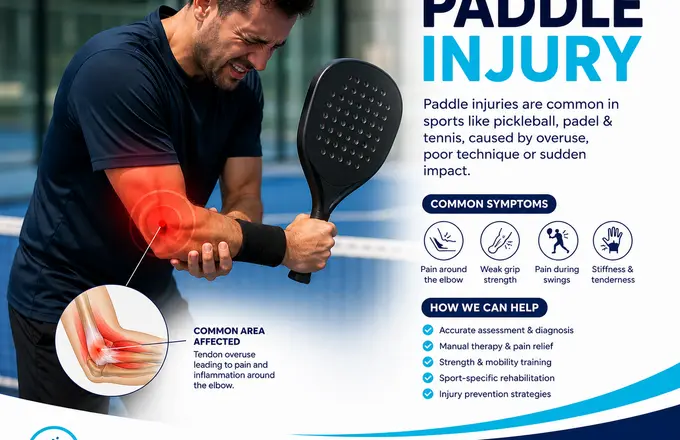
Padel Injuries in Singapore: Common Causes, Physiotherapy Treatment & Injury Prevention
Padel is one of Singapore's fastest-growing sports, but its quick direction changes and repetitive overhead shots can increase the risk of injury. Learn the most common padel injuries, how physiotherapy helps, and practical tips to recover safely and return to the court.
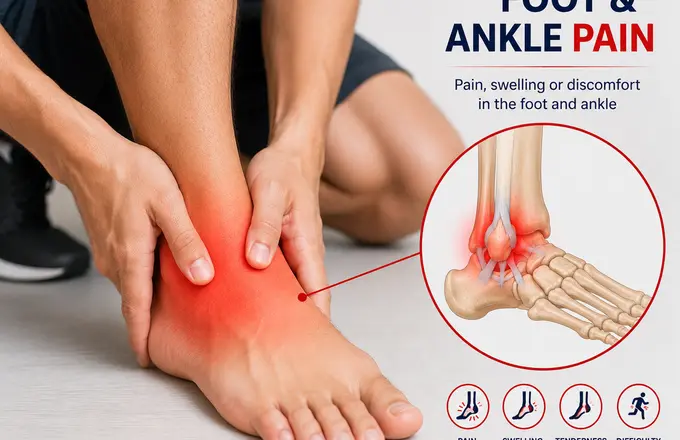
Foot & Ankle Pain in Singapore: Causes, Physiotherapy Treatment & Recovery
Foot and ankle pain can affect your ability to walk, work, exercise and enjoy everyday life. Discover the most common causes, how physiotherapy helps, and when to seek expert treatment at ACE Physio Sports in Singapore.
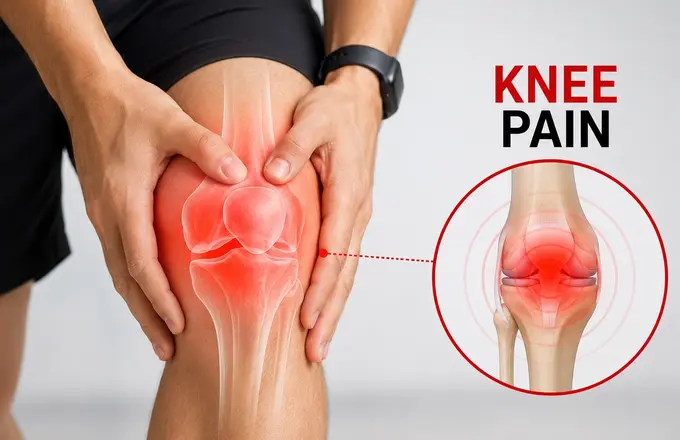
Knee Pain Physiotherapy: Causes, Treatment & Lasting Relief
Knee pain can make walking, climbing stairs, exercising and even everyday activities uncomfortable. Learn the common causes of knee pain, when to seek physiotherapy and how personalised rehabilitation at ACE Physio Sports helps patients across East Coast Singapore recover safely and confidently.
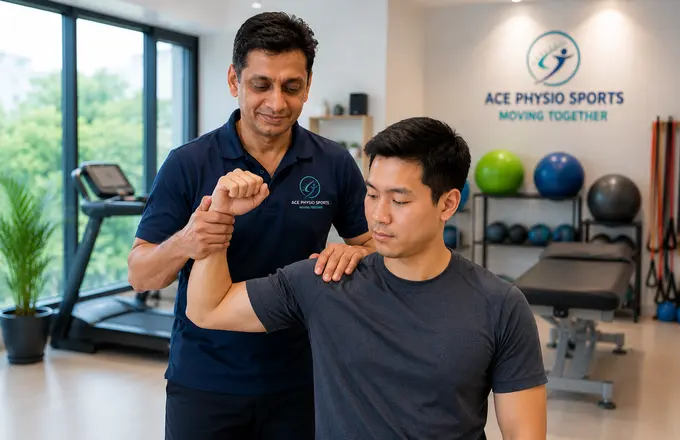
Shoulder Pain Physiotherapy : Causes, Treatment & Lasting Relief
Shoulder pain can affect work, sleep, exercise and daily activities. Learn the common causes of shoulder pain, when to seek physiotherapy and how evidence-based treatment can help you recover and prevent recurrence.
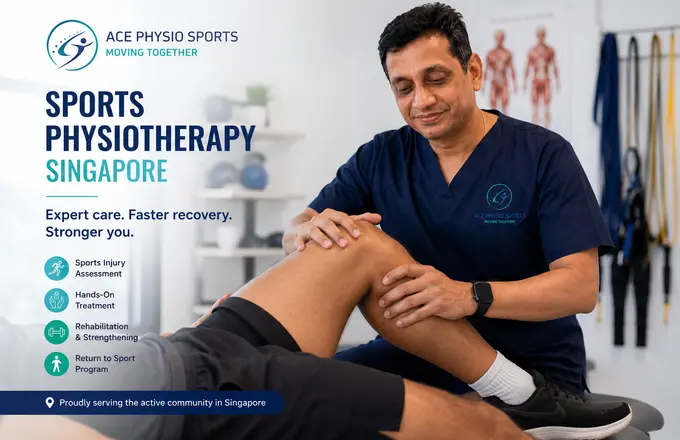
Sports Physiotherapy : Recover Faster From Sports Injuries
Discover how sports physiotherapy helps athletes and active individuals recover from injuries, reduce pain, improve performance, and return to sport safely in East Coast Singapore.
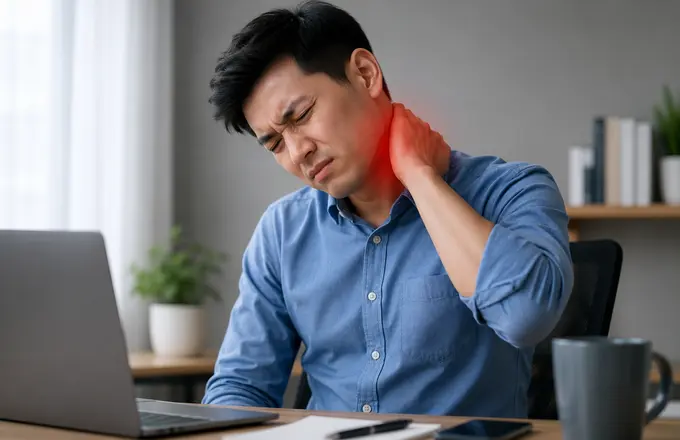
Neck Pain Physiotherapy : Causes, Treatment & Lasting Relief
Discover the common causes of neck pain, evidence-based treatment options, and how physiotherapy can help residents across East Coast Singapore achieve lasting relief.
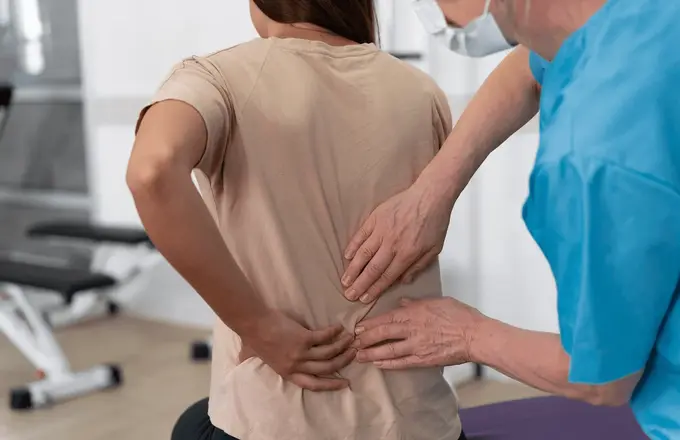
Back Pain Physiotherapy : Expert Relief & Recovery
Looking for effective back pain physiotherapy in East Coast Singapore? Learn the common causes of back pain, proven treatment options, and how ACE Physio Sports helps patients from Katong, Marine Parade, Joo Chiat, and Bedok recover safely and confidently.
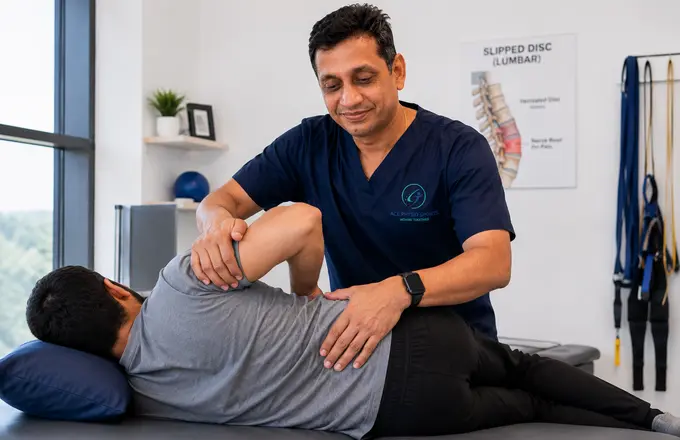
Slipped Disc Without Surgery Can Physiotherapy Actually Fix It?
Most slipped disc patients are told surgery is inevitable. Ace Physio Sports Clinical Director Vineet Bansal based at East Coast Road, Singapore explains why that's rarely true and what physiotherapy can actually achieve.
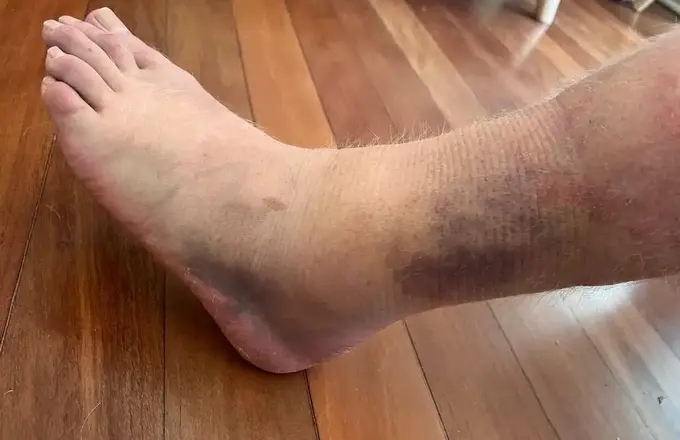
Can Physiotherapy Help with Recurrent Ankle Sprains?
Recurrent ankle sprains can lead to instability, pain, and repeated injuries if not treated properly. Physiotherapy helps strengthen the ankle, improve balance, and prevent it from rolling again. At ACE Physio Sports in Singapore, we provide expert rehab to help you recover safely and return to activity with confidence.
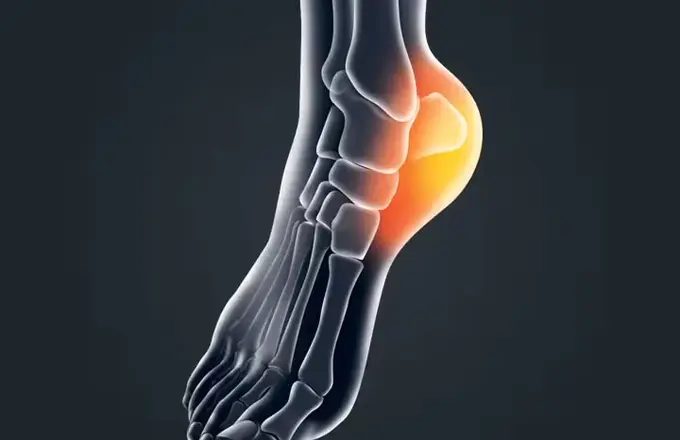
Heel Pain: Causes, Symptoms & Physiotherapy Treatment
Don't let heel pain slow you down. Explore the common causes like plantar fasciitis and how personalized physiotherapy can provide lasting relief.
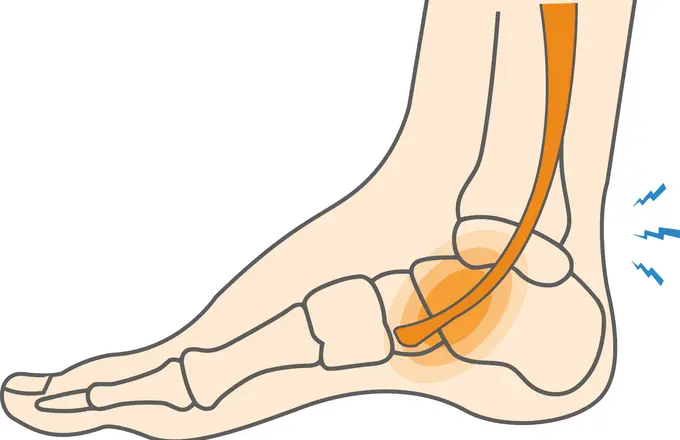
Posterior Tibialis Tendon Tendinopathy: Causes, Symptoms & Physiotherapy Treatment
Inner ankle or arch pain could be posterior tibialis tendinopathy. Learn about the causes, symptoms, and effective physiotherapy treatments in Singapore.
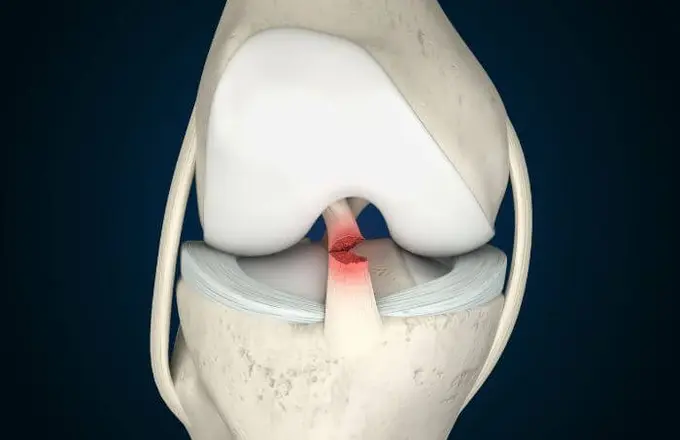
ACL Tear: Surgery vs Conservative Treatment — What’s Best for You?
Facing an ACL tear? Compare the pros and cons of surgery versus conservative physiotherapy treatment to find the best recovery path for your goals.
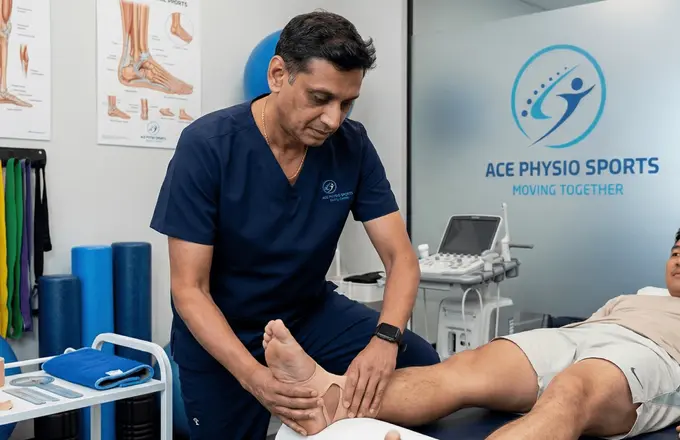
Recurrent Ankle Sprains: Causes, Treatment & Prevention
Struggling with repeated ankle injuries? Learn why recurrent ankle sprains happen and how to restore stability through targeted rehabilitation.
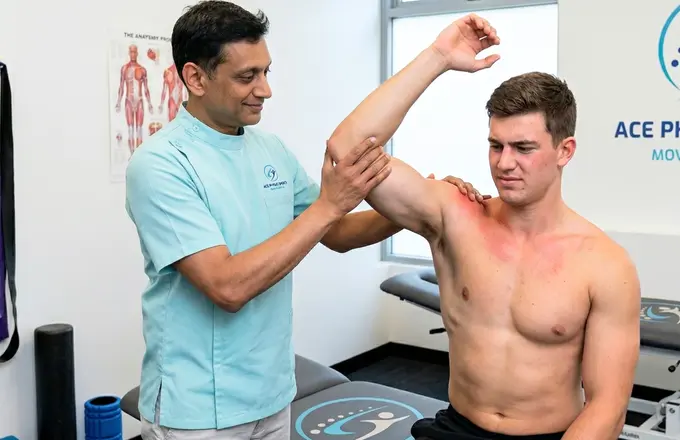
Overhead Throwing Injuries and Prevention
Understand common overhead throwing injuries in sports like cricket and badminton, and how to prevent long-term damage with physiotherapy.

3 Mistakes Runners Make That Cause Knee Pain
Discover the top 3 training mistakes that cause knee pain in runners and how to prevent injury with proper strength and recovery.
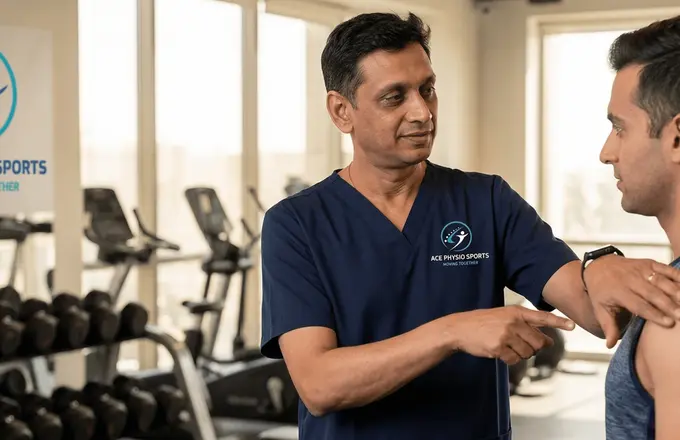
Gym Shoulder Pain Causes, Treatment & Prevention
Learn the common causes of shoulder pain after gym workouts and how expert physiotherapy in Katong can help you return to training safely.
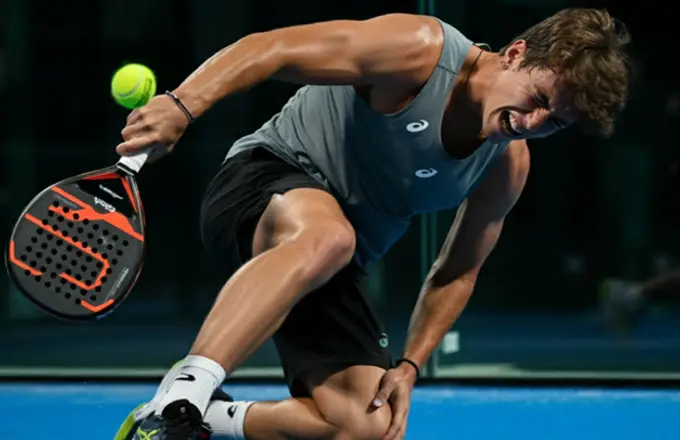
Paddle Injuries & Prevention: A Physiotherapist’s Guide
Paddle sports like padel and pickleball are fast-growing but place high physical demands on the body due to repetitive strokes and sudden movements. Common injuries include shoulder pain, tennis elbow, wrist strain, knee issues, and lower back discomfort. With proper technique, strength training, warm-ups, and load management, most paddle injuries are preventable. Sports physiotherapy plays a key role in assessing movement, treating pain, and helping players return to injury-free, high-performance play.
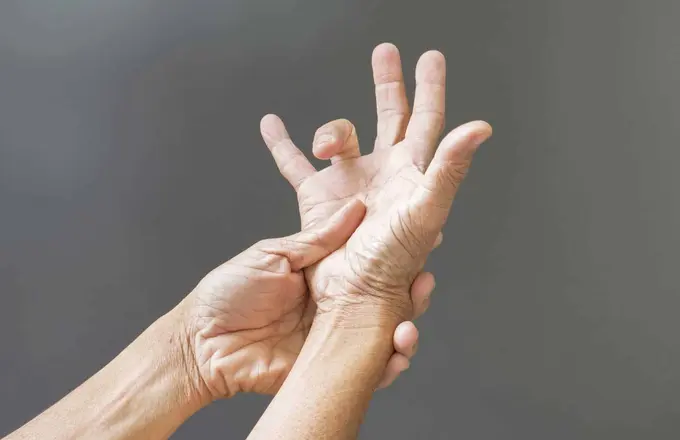
Trigger Finger Explained: Causes, Symptoms & Physiotherapy Treatment
Trigger finger is a painful condition where a finger or thumb catches or locks due to tendon inflammation, making everyday tasks difficult. Physiotherapy offers an effective, non-surgical solution by reducing tendon irritation, improving finger mobility, and preventing recurrence. With early treatment, most cases of trigger finger can be successfully managed without injections or surgery.
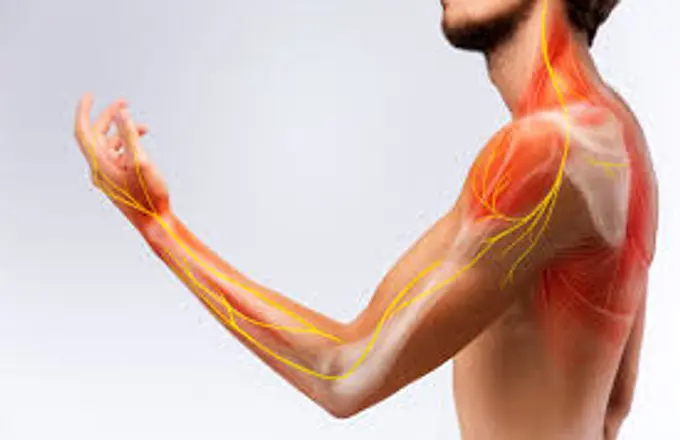
Nerve Pain Explained: Pinched Nerves, Sciatica & Physiotherapy Solutions
Nerve pain, including conditions like pinched nerves and sciatica, often causes sharp, shooting, or tingling sensations that travel along the arms or legs. Physiotherapy helps by reducing nerve compression, improving mobility, correcting posture, and restoring strength and stability. With early, targeted treatment, most nerve pain can be effectively relieved and long-term recurrence prevented.
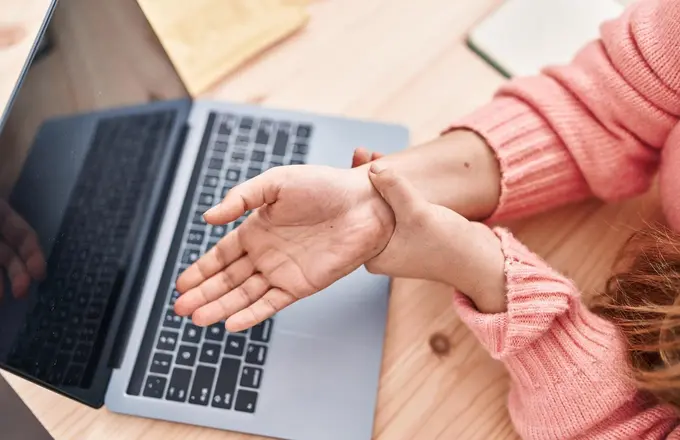
Wrist Pain Relief through Targeted Physiotherapy Techniques
Wrist pain commonly results from repetitive strain, injuries, or conditions like carpal tunnel syndrome. Physiotherapy offers effective, non-surgical treatment by reducing pain, improving mobility, strengthening the wrist and forearm, and preventing recurrence. Through targeted exercises, manual therapy, ergonomic advice, and nerve gliding techniques, wrist pain physiotherapy helps restore function and support long-term wrist health.
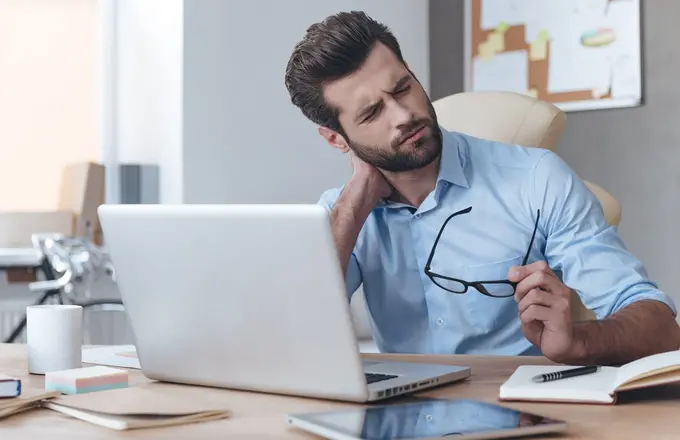
Neck Pain From Desk Work: Why It Happens & How Physiotherapy Helps
Neck pain from desk work is increasingly common due to poor posture, prolonged sitting, and excessive screen use. Issues like forward head posture and “tech neck” place extra strain on the neck, leading to stiffness, headaches, and arm symptoms. Physiotherapy helps by relieving pain, correcting posture, improving strength and mobility, and addressing ergonomic factors—providing long-term relief and preventing recurrence.

Carpal Tunnel Syndrome and Physiotherapy: What Works?
Carpal Tunnel Syndrome causes wrist pain, numbness, and weakness due to compression of the median nerve. Physiotherapy offers effective relief through nerve gliding exercises, stretching, strengthening, manual therapy, and ergonomic guidance. With targeted wrist joint therapy and non-surgical treatment, patients can reduce pain, restore function, and prevent recurrence of musculoskeletal wrist conditions.
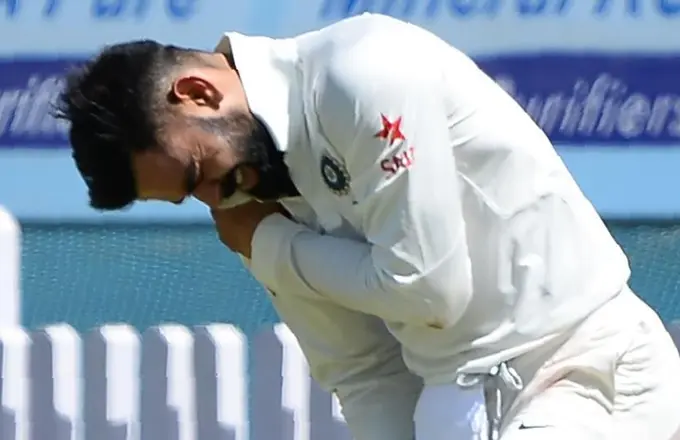
How to Prevent Shoulder Injuries in Cricket
Cricket places heavy stress on the shoulder, making bowlers, batsmen, and fielders prone to injuries like rotator cuff strains and impingement. With proper warm-up routines, strengthening exercises, good technique, and load management, most shoulder injuries are completely preventable. This guide from Ace Physio Sports explains how to protect your shoulder, improve performance, and know when it’s time to see a physiotherapist—helping you stay pain-free and game-ready all season.
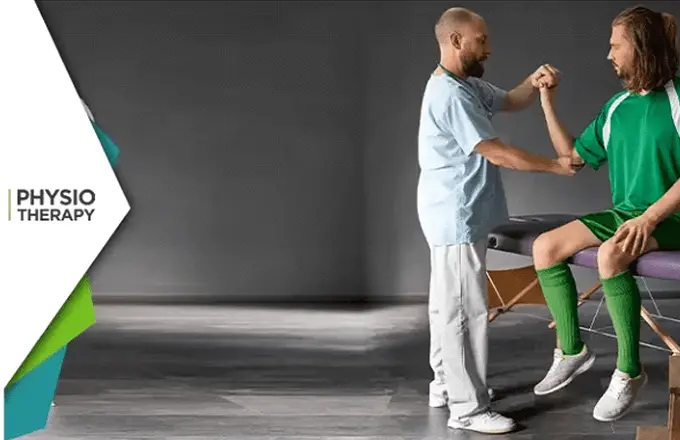
Physiotherapy and Sports Performance: Enhancing Athletic Potential
Physiotherapy isn’t just for injury recovery—it’s a powerful tool that enhances athletic performance. Through movement analysis, targeted strengthening, flexibility training, and faster recovery strategies, physiotherapy helps athletes prevent injuries, improve biomechanics, and perform at their peak. From everyday athletes to global icons like Virat Kohli, Usain Bolt, and Serena Williams, physiotherapy provides the physical and mental edge needed to excel in competitive sports.
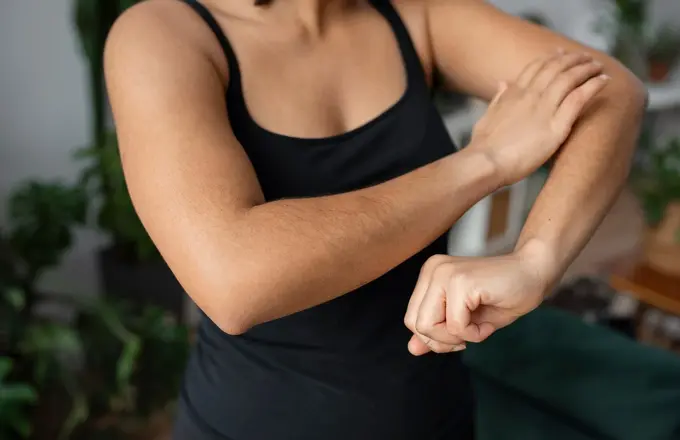
How to Treat Forearm Pain with Physiotherapy Exercises
Forearm pain often results from muscle strain, repetitive tasks, or sports-related overuse. Physiotherapy helps relieve pain, restore flexibility, and strengthen the muscles through targeted stretches, wrist movements, and grip exercises. With consistent forearm physiotherapy, individuals can reduce inflammation, improve mobility, and prevent future injuries. Early professional assessment is recommended for persistent or worsening symptoms.
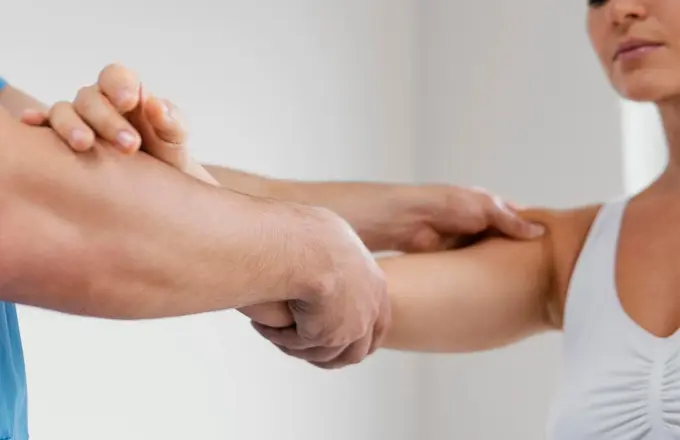
Forearm Pain: Common Causes, Treatment & Physiotherapy
Forearm pain can affect everything from lifting groceries to playing badminton or working at a computer. Learn the most common causes of forearm pain, when physiotherapy can help, and how personalised treatment at ACE Physio Sports in Singapore supports lasting recovery.
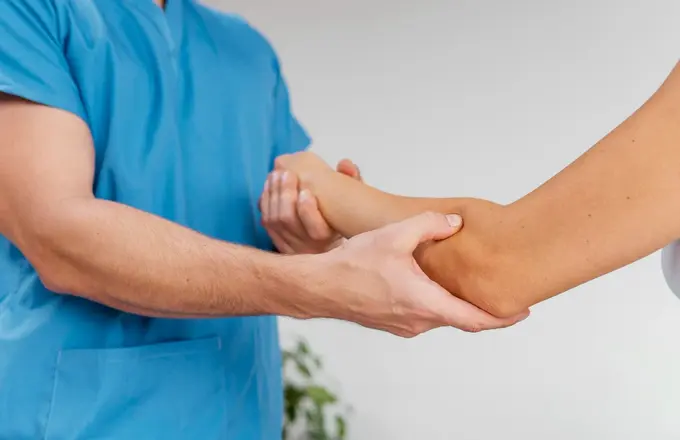
Physiotherapy for Forearm Strains, Sprains, and Overuse Injuries
Forearm injuries, whether from sports, repetitive tasks, or accidents, can affect your strength, mobility, and daily activities. Understanding forearm physiotherapy, treatment options, and recovery techniques is crucial for regaining function and preventing long-term complications.
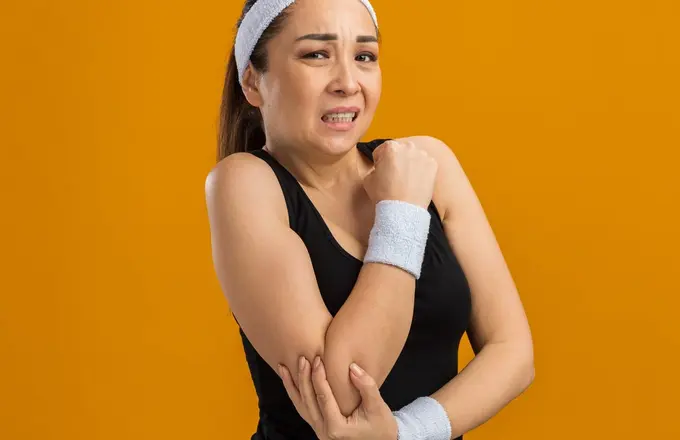
Why Elbow Pain Shouldn’t Be Ignored: A Physiotherapy Perspective
Elbow pain from overuse, repetitive strain, or sports injuries can worsen if ignored, leading to chronic inflammation, reduced grip strength, and long-term tendon damage. Physiotherapy helps diagnose the cause—whether tennis elbow, golfer’s elbow, tendonitis, or a musculoskeletal elbow injury—and provides targeted treatment through manual therapy, strengthening, stretching, and mobility exercises. Early physiotherapy ensures faster recovery, improved joint function, and long-term prevention. Ace Physio offers personalized elbow pain treatment for safe, effective rehabilitation.
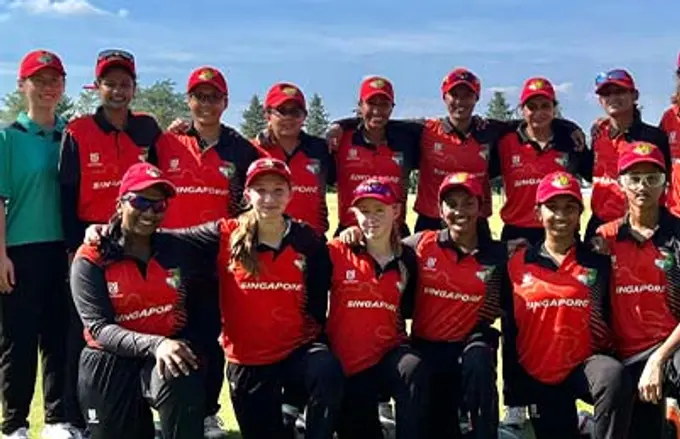
Supporting Excellence: Ms. Vynie’s Role with the Singapore Women’s Cricket National Team
From September 30 to October 7, 2024, Ms. Vynie served as the sports trainer for the Singapore Women’s Cricket National Team during their tournament in Japan—providing on-field injury management, taping support, warm-up supervision, and post-match recovery care. Her role showcased her expertise in keeping athletes safe, prepared, and performing at their best through immediate injury care, rehabilitation support, and effective collaboration with the medical team.

Overuse Injuries in the Elbow: Prevention and Physio Care
Elbow overuse injuries such as tennis elbow, golfer’s elbow, bursitis, and tendonitis occur from repetitive movements, poor technique, or weak supporting muscles. These conditions cause pain, stiffness, and reduced grip strength. Physiotherapy helps relieve pain, restore mobility, and strengthen the elbow through manual therapy, targeted exercises, and ergonomic guidance. With early treatment, overuse injuries can be managed effectively to prevent chronic damage and support long-term joint health.
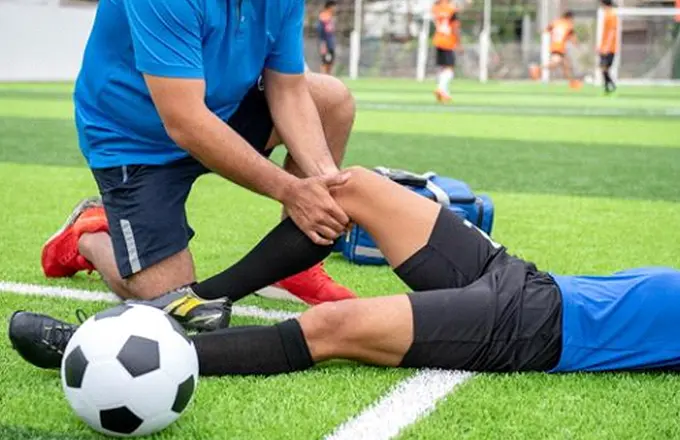
The Importance of Physiotherapy in Sports Injury Recovery INTRODUCTION
Physiotherapy plays a vital role in sports injury recovery by reducing pain, accelerating healing, and restoring strength, mobility, and performance. Through hands-on treatment, targeted exercises, and personalised rehabilitation programs, physiotherapists support every stage of healing—from inflammation control to tissue repair and return-to-sport training. By addressing root causes, correcting movement patterns, and preventing re-injury, physiotherapy helps athletes recover safely, return stronger, and maintain long-term physical health.
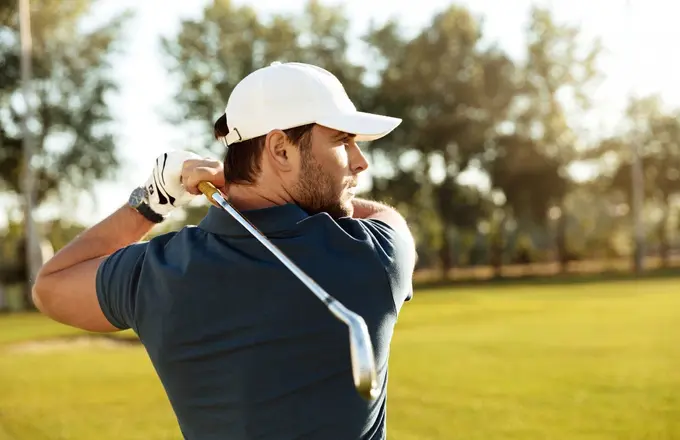
Tennis Elbow & Golfer’s Elbow: Physiotherapy Treatments That Work
Tennis elbow and golfer’s elbow are common overuse injuries that cause pain on the outer or inner side of the elbow due to repetitive wrist or arm movements. They affect not just athletes but office workers, manual laborers, and anyone with repetitive tasks. Physiotherapy offers effective relief through manual therapy, mobility and strengthening exercises, shockwave or ultrasound treatment, and ergonomic corrections. With early intervention and guided rehab, elbow pain reduces, grip strength improves, and normal arm function is restored while preventing future tendon strain.
What Are Upper Arm Musculoskeletal Disorders and How Can Physiotherapy Help?
Upper arm pain is often caused by muscle strain, tendonitis, overuse injuries, or nerve compression — all of which can affect daily movement and strength. If ignored, even a mild upper arm strain can lead to long-term discomfort or mobility loss. Physiotherapy helps by reducing pain, restoring flexibility, rebuilding strength, and improving posture through targeted exercises and manual therapy. With early assessment and a personalized rehabilitation plan, upper arm injuries can be treated effectively while preventing future complications.
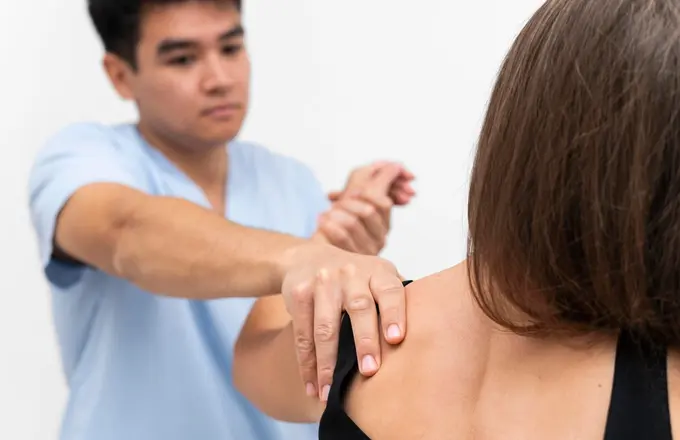
Managing Frozen Shoulder with Targeted Physiotherapy Techniques
Frozen shoulder is a painful condition that develops gradually, causing severe stiffness and making everyday movements like reaching or dressing difficult. With the right physiotherapy approach—including shoulder pain physio, rotator cuff strengthening, frozen shoulder exercises, and musculoskeletal shoulder therapy—patients can reduce pain and restore mobility without invasive treatments. Early assessment and tailored rehabilitation help shorten recovery time, improve joint flexibility, and prevent long-term limitations.

How Physiotherapy Heals Upper Arm Strains and Tears
Upper arm strains and tears can make everyday tasks challenging—from lifting or reaching to participating in sports. These injuries often affect the biceps and triceps due to overuse, sudden force, or repetitive stress. When ignored, a simple muscle strain can progress into a more serious upper arm musculoskeletal condition. Physiotherapy plays a crucial role by identifying the exact cause, reducing pain, restoring strength, and preventing future injuries. With guided exercises, manual therapy, and a structured recovery plan, patients can safely regain mobility and return to normal activities with confidence.

Shoulder Pain: How Physiotherapy Can Restore Your Range of Motion
Shoulder pain is a common musculoskeletal issue caused by injuries, overuse, poor posture, or conditions like frozen shoulder, impingement, and rotator cuff damage. Because the shoulder is highly mobile, even minor stiffness can disrupt daily activities. Physiotherapy provides an effective, long-term solution by identifying the root cause, restoring mobility, and rebuilding strength. Through specialized techniques—such as shoulder pain physio, rotator cuff physiotherapy, shoulder impingement treatment, and frozen shoulder exercises—patients can relieve pain, improve function, and prevent future injuries with personalized musculoskeletal shoulder therapy.
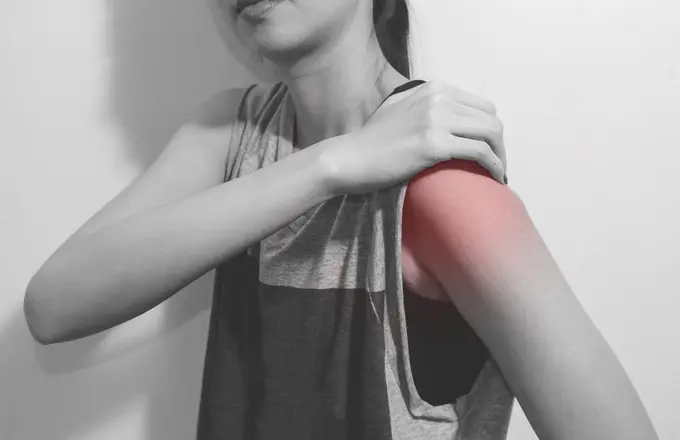
Rotator Cuff Injuries: Physiotherapy for Shoulder Stability
Rotator cuff injuries are a leading cause of shoulder pain, often resulting in weakness, stiffness, and difficulty lifting the arm. Whether caused by overuse, age-related wear, or sudden trauma, these injuries respond exceptionally well to physiotherapy. Through targeted rotator cuff physiotherapy, shoulder impingement treatment, mobility restoration, and musculoskeletal shoulder therapy, patients can reduce pain, rebuild strength, and regain full shoulder function. Early shoulder injury physiotherapy not only speeds recovery but also prevents long-term complications, helping patients return to daily activities with confidence.

Neck Strain vs. Cervical Disc Issues: What You Need to Know
Neck pain is common, but understanding whether it’s a simple muscle strain or a cervical disc issue is crucial for proper treatment. Musculoskeletal neck pain often comes from poor posture or sudden movements and usually improves with stretching and basic physiotherapy. Neck strains cause soreness, tightness, and reduced mobility but respond well to conservative care. Cervical disc problems are more complex, leading to radiating arm pain, tingling, or weakness, and require structured cervical spine physiotherapy. Early assessment helps ensure the right treatment and prevents long-term issues. Regular mobility exercises, posture correction, and strengthening can reduce recurrence. Professional physiotherapy is recommended if symptoms persist or worsen.

Physical Therapy for Low Back Pain: Restoring Strength and Preventing Future Injuries
Low back pain can interfere with daily life, but lasting relief requires more than temporary medication. Physical therapy offers a comprehensive approach—combining manual techniques, targeted exercises, posture correction, and lifestyle guidance—to treat pain at its source. Whether the pain is acute or chronic, therapy focuses on restoring movement, building core and back strength, and preventing future episodes. By improving mobility, correcting habits, and strengthening the spine, physical therapy not only relieves current discomfort but also reduces the need for invasive treatments. For long-term recovery and back health, early intervention and guided therapy are essential.

Aging Gracefully: Enhance Your Mobility and Well-being
Geriatric physiotherapy helps older adults stay active, independent, and pain-free by improving mobility, strength, and balance. From managing arthritis and osteoporosis to supporting stroke recovery and preventing falls, personalised physiotherapy programs enhance overall well-being and quality of life. With the right guidance and consistent care, aging can be healthier, safer, and more fulfilling.
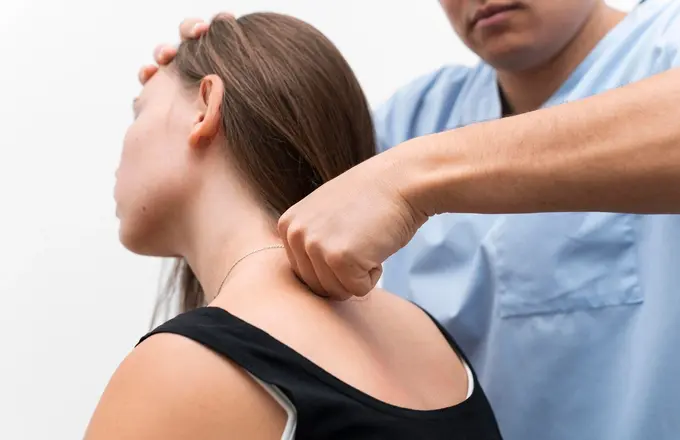
Physiotherapy for Stiff Neck and Cervical Spine Issues
Musculoskeletal neck pain often results from poor posture, long screen time, or injury, leading to stiffness, reduced mobility, and discomfort. Physiotherapy plays a key role in long-term recovery by relieving tension, improving cervical spine movement, and restoring function. Through manual therapy, soft tissue release, posture correction, and guided neck mobility exercises, patients can reduce pain, enhance flexibility, and prevent future neck issues. At Ace Physio, we offer evidence-based treatments to support lasting neck health and recovery.
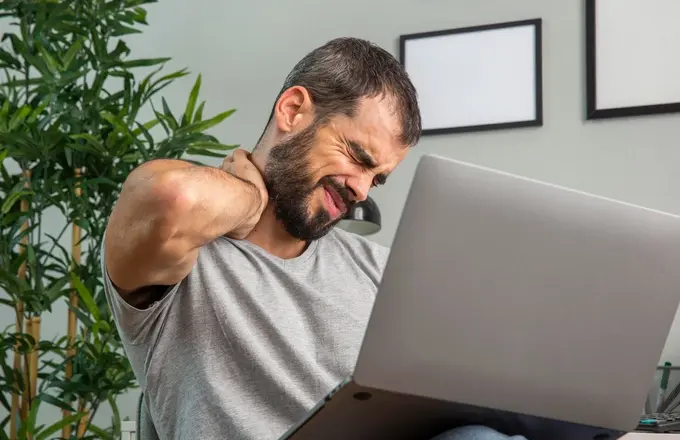
Understanding Neck Pain: Causes, Symptoms, and Physiotherapy Solutions
Neck pain is a common issue that affects posture, mobility, and daily function. Whether caused by poor posture, muscle strain, injuries, or age-related changes, physiotherapy plays a key role in both recovery and long-term prevention. Neck pain physiotherapy combines manual therapy, cervical spine techniques, and targeted neck mobility exercises to reduce stiffness, relieve pain, and restore movement. It also focuses on correcting posture, improving ergonomics, and strengthening supporting muscles to prevent recurrence. If symptoms like radiating pain, numbness, or persistent stiffness appear, professional assessment is essential. With a personalised approach, physiotherapy helps patients regain comfort, stability, and healthy neck function.

The Role of Manual Therapy in Managing Head Musculoskeletal Pain
Head pain often stems from musculoskeletal issues rather than just neurological or stress-related causes. Poor posture, jaw tension, muscle imbalances, and minor head injuries can all contribute to head muscle pain and tension headaches. Head physiotherapy, especially manual therapy, helps relieve discomfort by releasing tight muscles, improving joint mobility, and restoring proper head posture. Manual therapy techniques—including soft tissue massage, joint mobilization, and gentle traction—address the root causes of pain, while head posture therapy ensures long-term alignment and reduces recurrence. Combined with exercises, ergonomic guidance, and movement retraining, physiotherapy for tension headaches and head injuries promotes recovery, prevents future issues, and enhances daily function. Ace Physio in Singapore offers personalized head physiotherapy programs to restore comfort, mobility, and overall head and neck health.

How Physiotherapy Helps with Tension Headaches and TMJ
Chronic headaches and jaw pain often arise from musculoskeletal head conditions, including tight muscles, joint strain, and poor posture. Tension headaches, characterized by dull, persistent aches around the head and neck, commonly result from poor desk posture, jaw clenching, or weak supporting neck muscles. TMJ disorders can trigger jaw pain, headaches, and muscle tension, which physiotherapy addresses through manual therapy, mobilization, relaxation techniques, and head posture correction. Proper alignment and posture reduce strain on neck and jaw muscles, preventing recurrent headaches. Head physiotherapy also aids recovery from head injuries by restoring flexibility, range of motion, and preventing chronic pain. Ace Physio in Singapore offers tailored programs, combining tension headache therapy, TMJ care, head posture therapy, and post-injury rehabilitation to restore comfort, function, and quality of life.

Common Head Pain Conditions Treated by Physiotherapy
Musculoskeletal head conditions, often mistaken for neurological issues, can cause chronic head muscle pain, tension headaches, and discomfort from poor posture or injuries. Head physiotherapy provides effective relief through manual therapy, posture correction, and targeted exercises. Key areas addressed: Tension headaches: Muscle tightness in neck, shoulders, jaw, and scalp treated with manual therapy and stretching. Postural headaches: Forward head posture and poor ergonomics corrected via head posture therapy and exercises. TMJ dysfunction: Jaw and facial muscle release, intraoral massage, and movement retraining. Head injury recovery: Whiplash or concussion rehabilitation focusing on balance, coordination, and soft tissue healing. Cervicogenic headaches: Neck-originated pain managed with mobilization, strengthening, and posture therapy. Physiotherapy combines manual therapy, dry needling, posture correction, and ergonomic education to reduce pain, restore function, and prevent recurrence. Ace Physio in Singapore provides tailored programs for lasting relief and improved quality of life.
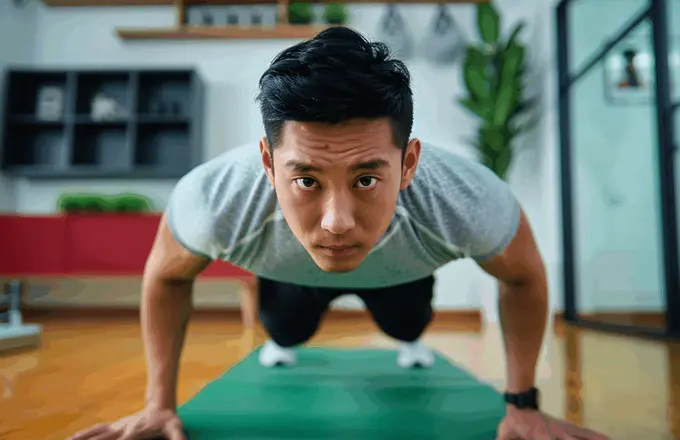
Mind Over Muscle: Harnessing the Power of Focus in Your Training
The mind-muscle connection is the ability to consciously activate and control specific muscles during movement. Focusing on the target muscle enhances form, increases activation, prevents injury, and supports rehabilitation. It improves muscle recruitment and awareness, enhances posture and form, prevents compensation patterns, supports recovery, and helps break training plateaus. To strengthen the mind-muscle connection, slow down your reps for better control, visualize the muscles working, use lighter weights initially, use mental cues like "squeeze glutes," and lightly touch muscles for sensory feedback. In rehabilitation, it helps with glute activation after hip or back pain, quad control post-ACL surgery, shoulder stabilizer strengthening, and core and pelvic floor re-education postpartum. Recommended exercises include glute bridges, wall sits, banded clamshells, bird dog, and isometric holds. A strong mind-muscle connection ensures each movement is precise, purposeful, and effective, and Ace Physio helps clients improve activation, prevent injuries, and optimize performance.
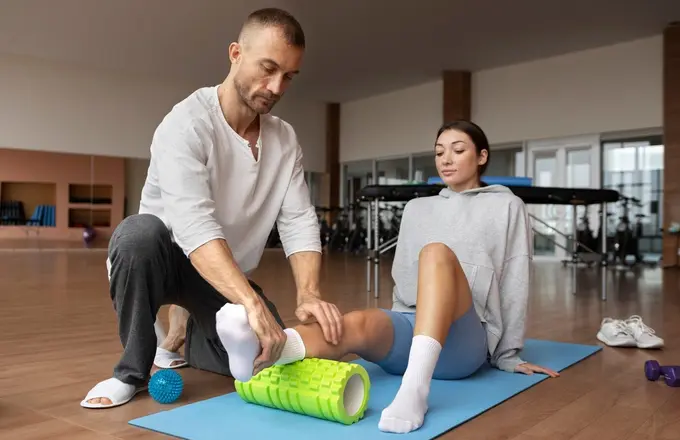
Sports Injury Management and Rehabilitation at Ace Physio Sports
At Ace Physio Sports we specialise in Sports Injury Management & Rehabilitation — a step-by-step, evidence-based program to relieve pain, rebuild strength, and get you back to your sport. From accurate diagnosis and hands-on pain relief to sport-specific conditioning and injury-prevention plans, our specialist physiotherapists design personalised rehab so you recover safely and perform stronger than before.
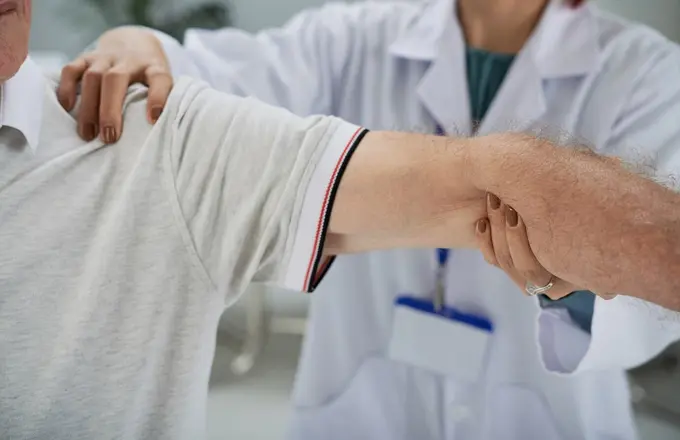
Shoulder Physiotherapy
At Ace Physio, we provide expert shoulder physiotherapy to relieve pain, restore mobility, and strengthen your shoulder for everyday movement. From frozen shoulder and rotator cuff injuries to impingement, instability, nerve issues, and post-fracture rehab, our treatments focus on hands-on care, targeted exercises, and posture correction. Whether your pain is from sports, overuse, or injury, our personalized approach helps you recover safely and return to pain-free living.
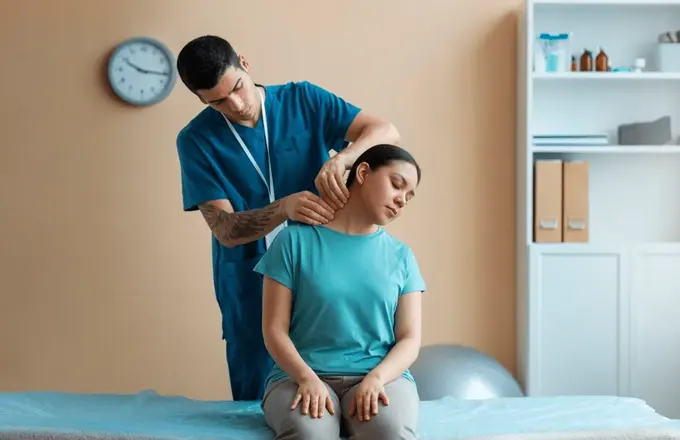
Musculoskeletal Injury Treatment: Restore Mobility & Relieve Pain
Ace Physio provides specialised musculoskeletal injury treatment to relieve pain, restore movement, and support long-term recovery. From joint pain and muscle strains to arthritis and post-surgical rehab, our physiotherapists use hands-on therapy, targeted exercises, and personalised guidance to help you move better and live pain-free.
Upper Arm Physiotherapy: Recovery & Strength
Ace Physio offers effective upper arm physiotherapy to relieve pain, restore mobility, and improve strength. Whether your discomfort is due to biceps tendinitis, nerve compression, or muscle strain, our hands-on treatment and targeted exercises help you recover faster and prevent future injury.

Shoulder Pain & Injury Rehabilitation
Ace Physio provides specialised physiotherapy for shoulder pain and injuries, helping restore strength, mobility, and daily function. Whether caused by rotator cuff damage, frozen shoulder, or impingement, our hands-on treatment, targeted exercises, and postural correction techniques support faster recovery and long-term relief.
Physiotherapy for Head Pain & Injuries
Ace Physio provides specialised physiotherapy for head pain caused by tension headaches, concussion, or TMJ dysfunction. Through manual therapy, postural correction, vestibular rehab, and jaw-focused treatments, we target the root cause of your discomfort to restore normal function and prevent recurring symptoms.
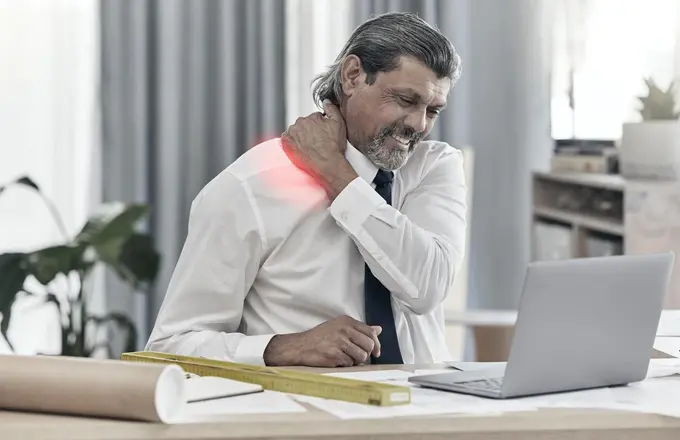
Neck Pain Relief with Physiotherapy
Ace Physio offers effective physiotherapy for neck pain caused by posture issues, muscle strain, or injury. Through hands-on treatment, postural correction, targeted strengthening, and pain-relief techniques, we help restore mobility, reduce tension, and prevent recurring discomfort. If neck pain is affecting your daily life, early physiotherapy can make a significant difference.

Physiotherapy for Head Pain & Injuries
Head pain can be more than just a headache—it can stem from muscle tension, concussions, or jaw dysfunctions. Physiotherapy offers effective, non-invasive treatments to manage these issues and restore normal function.
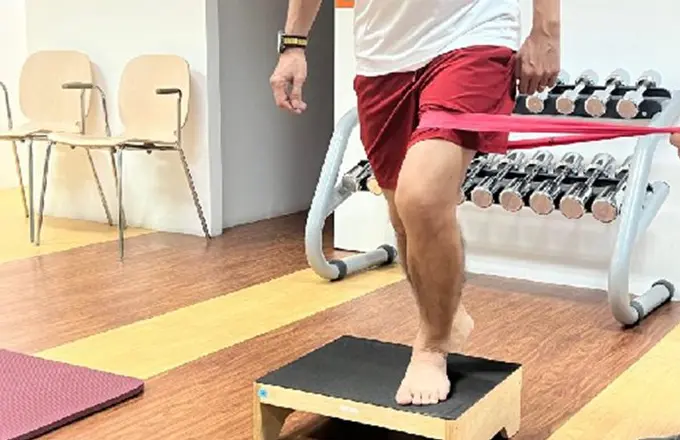
Preventative Physiotherapy: Staying Healthy and Avoiding Injury
Preventative physiotherapy helps you stay ahead of aches, pains, and injuries by identifying and correcting issues before they become serious. Through personalised assessments, targeted exercises, and regular check-ups, it enhances performance, reduces injury risk, and improves overall well-being—helping you stay active, strong, and pain-free.
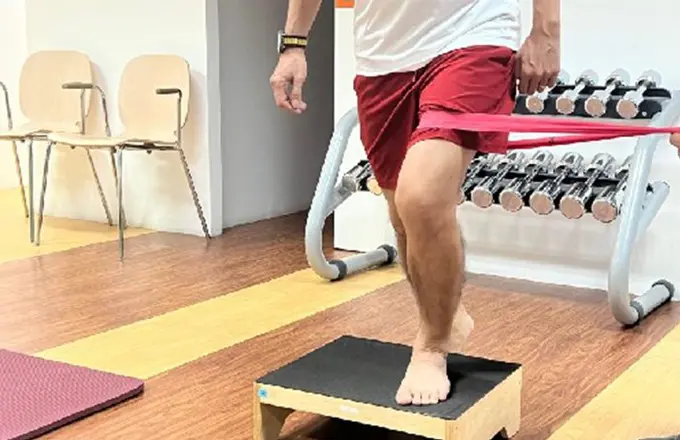
Preventative Physiotherapy in Katong | East Coast Road | ACE Physio Sports
Preventative physiotherapy helps identify movement issues and muscle imbalances before pain or injury occurs. By improving strength, posture, and mobility, it reduces injury risk, enhances performance, and supports long-term physical well-being.
The Importance of Physiotherapy inSports Injury Recovery
In the world of sports, injuries are almost inevitable. Whether you’re a professional athlete or a weekend warrior, the risk of injury is always present. When an injury occurs, the road to recovery can be challenging and requires more than just rest. This is where physiotherapy plays a crucial role, helping athletes recover faster, regain strength, and return to their sport in peak condition.

Aging Gracefully : Enhance Your Mobility and Well-being
Aging is a natural part of life, but it can bring with it physical challenges that can impact our independence and quality of life. Geriatric physiotherapy offers a comprehensive approach to helping older adults maintain their mobility, manage pain, and improve their overall well-being. By incorporating physiotherapy into your routine, you can age gracefully and confidently.
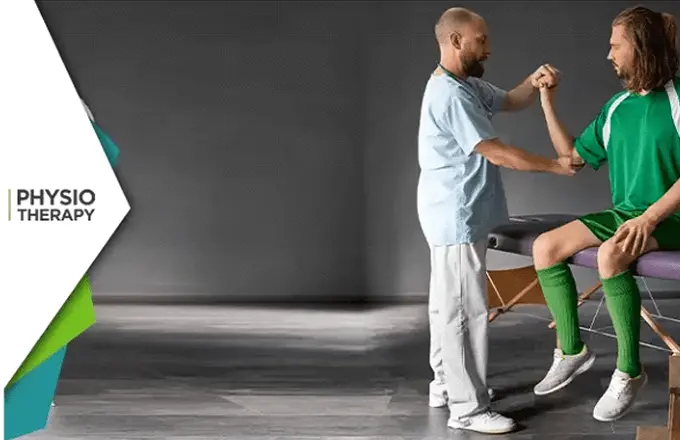
Physiotherapy and Sports Performance in Katong | East Coast Road | ACE Physio Sports
In the world of competitive sports, every edge counts. Physiotherapy isn’t just a method of recovery; it’s a strategic approach to enhance athletic performance, allowing athletes to push the limits of their potential. Athletes constantly push their bodies to the limit, striving to achieve peak performance. However, with intense training comes the risk of injury, overuse, and physical strain. This is where physiotherapy steps in—not just as a tool for recovery but as a powerful means of enhancing athletic performance and preventing injuries.
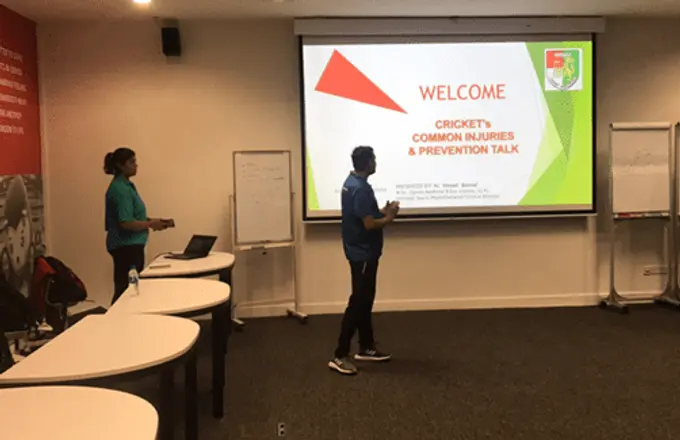
Sports Injury Prevention in Katong | East Coast Road | ACE Physio Sports
Sports injuries are common and can happen to anyone who participates in physical activity, from amateur athletes to professional sportspeople. They can range from minor sprains and strains to more serious injuries such as fractures, dislocations, and torn ligaments. Here are some key aspects of sports injuries
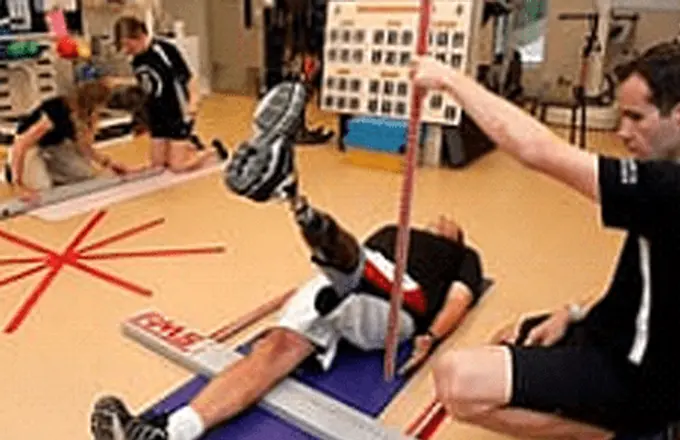
Clinical Pilates in Katong | East Coast Road | ACE Physio Sports
Pilates is a form of exercise that targets the deep postural muscles with precise movements. Pilates incorporates the use of special apparatus and equipment into movement routines designed to enhance flexibility, strength, and coordination. All Pilates exercises flow from the five essentials: – Breathing, cervical alignment, rib and scapular stabilization, and pelvic mobility. Each exercise is initiated by stabilizing the core muscles, including the abdominal, gluteal, and paraspinal muscles, and proceeds through a controlled range of motion.

Difference Between a Physiotherapist and a Sports Physiotherapist | Ace Physiotherapy
Clients frequently call to ask which of our therapists—a physiotherapist or a sports therapist—would be best suited to treat their injury. The simple answer is that both professions are trained and insured to treat musculoskeletal diseases, but that there are significant distinctions in training and practice.

Sports Injuries: Causes, Types, Treatments, And Prevention
Sports injuries are common but largely preventable with proper preparation, technique, and recovery. From overuse and poor warm-up to incorrect movement patterns, understanding injury causes helps reduce risk. Physiotherapy plays a vital role in injury treatment, rehabilitation, and long-term prevention—helping you return to sport safely and confidently.