
Foot & Ankle Pain in Singapore: Causes, Physiotherapy Treatment & Recovery

Foot & Ankle Pain : Causes, Physiotherapy Treatment & Recovery
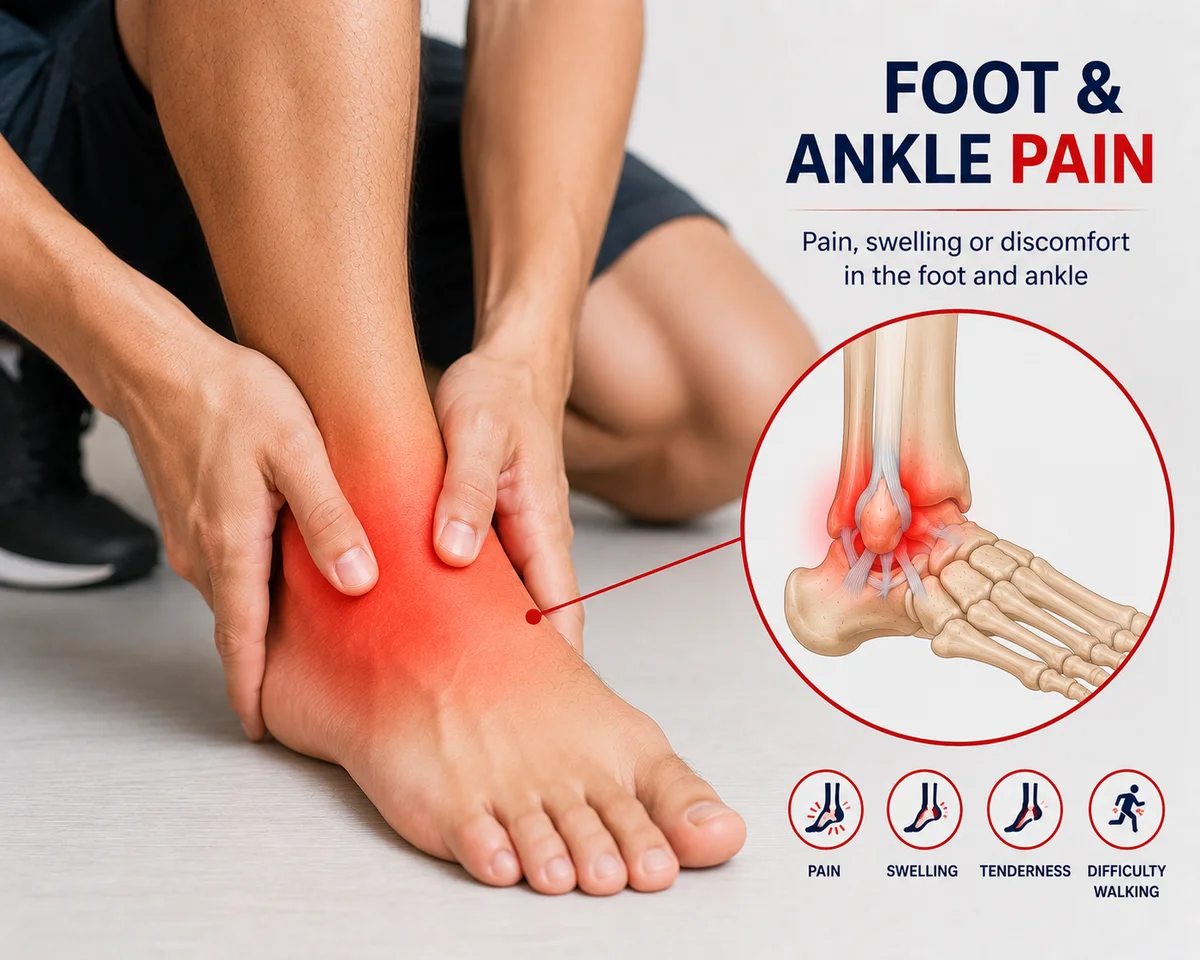
Foot and ankle pain can make even the simplest daily activities walking to work, climbing stairs, exercising, or enjoying a weekend walk around East Coast Park feel uncomfortable. Whether the pain develops suddenly after a sports injury or gradually from overuse, it can affect your mobility, confidence, and quality of life if left untreated.
Many people try to manage foot or ankle pain by resting for a few days, changing footwear, or relying on pain medication. While these approaches may temporarily reduce symptoms, they often do not address the underlying cause. Without the right assessment and rehabilitation, minor problems can gradually develop into persistent injuries that interfere with work, sport, and everyday activities.
At ACE Physio Sports, we regularly assess and treat patients from East Coast Road, Katong, Marine Parade, Joo Chiat, Siglap, Bedok, and across Singapore who are experiencing foot and ankle pain. Some are recreational runners preparing for an upcoming race, while others are office professionals, older adults, or active individuals who simply want to walk comfortably without pain.
Our physiotherapists take the time to understand why the pain developed not just where it hurts. By identifying the underlying problem and creating an individualised rehabilitation plan, we help patients reduce pain, restore movement, improve strength, and return safely to the activities they enjoy.
Whether your symptoms began after an ankle sprain, a long day on your feet, gym training, running, football, badminton, or simply developed gradually over time, early physiotherapy assessment can often help prevent the condition from becoming more serious.
Why Does Foot or Ankle Pain Happen?
Your foot and ankle form one of the most complex parts of the human body.
Together, they contain 26 bones, 33 joints, over 100 muscles, tendons and ligaments, all working together to absorb impact, maintain balance, and propel you forward during walking, running, jumping and changing direction.
Every step you take places significant force through these structures. During running or sports, the forces travelling through your foot and ankle can be several times your body weight. When these tissues become overloaded, injured, or irritated, pain is often the body's way of signalling that something needs attention.
Sometimes the cause is obvious, such as rolling your ankle during football or landing awkwardly while playing badminton. In many cases, however, foot and ankle pain develops gradually because of repeated stress, muscle weakness, poor movement patterns, inappropriate footwear, or sudden increases in physical activity.
Rather than focusing only on the painful area, experienced physiotherapists assess how your entire lower limb moves. Problems at the hips, knees, calf muscles, or even your walking and running mechanics can contribute to ongoing foot or ankle pain.
Understanding the root cause is essential because effective treatment depends on treating the source of the problem—not simply masking the symptoms.
Common Symptoms of Foot and Ankle Pain
Although symptoms vary depending on the underlying condition, many people experience one or more of the following:
- Pain while walking or standing for long periods
- Pain during running, sports, or exercise
- Swelling around the foot or ankle
- Tenderness when touching the affected area
- Stiffness, particularly first thing in the morning
- Difficulty climbing stairs or walking downhill
- Pain after prolonged sitting followed by standing
- Reduced ankle mobility or flexibility
- Instability or the feeling that the ankle may "give way"
- Weakness during push-off when walking or running
- Pain when wearing certain types of footwear
- Difficulty returning to sports or recreational activities
Some people notice discomfort only during exercise, while others experience pain even during normal daily activities. Persistent symptoms lasting more than a few days should not be ignored, especially if they continue to affect your mobility or sporting performance.
Common Causes of Foot and Ankle Pain
Foot and ankle pain is not a single condition. It is a symptom that may arise from injuries affecting muscles, tendons, ligaments, joints, bones, or nerves.
Some of the most common causes we assess at ACE Physio Sports include:
1. Ankle Sprains
Rolling the ankle is one of the most common sports injuries in Singapore. It frequently occurs during football, basketball, badminton, tennis, pickleball, trail running, or even stepping awkwardly off a curb.
Although many ankle sprains appear to improve within a few weeks, incomplete rehabilitation may lead to recurring sprains, reduced balance, ongoing instability, and persistent pain.
Early physiotherapy focuses on restoring strength, balance, and confidence while reducing the risk of future injuries.
Read more about our Sports Physiotherapy Singapore Service
2. Plantar Fasciitis
Pain underneath the heel particularly during the first few steps in the morning is commonly caused by irritation of the plantar fascia.
This condition often affects runners, individuals who spend long hours standing, healthcare professionals, teachers, retail workers, and people whose activity levels have recently increased.
Rather than simply treating heel pain, physiotherapy aims to improve foot strength, calf flexibility, walking mechanics, and load management to support long-term recovery.
Have a look at our Heel Pain Blog
3. Achilles Tendinopathy
The Achilles tendon connects your calf muscles to your heel and plays a vital role in walking, running, and jumping.
Repeated loading from running, court sports, or sudden increases in training can cause pain, stiffness, and reduced performance.
A structured strengthening programme guided by a physiotherapist is considered one of the most effective evidence-based treatments for Achilles tendon problems. Read more about Achilles Tendinopathy
4. Tendon and Muscle Overuse Injuries
Many patients develop pain because tissues are repeatedly overloaded without adequate recovery.
This commonly occurs in people who:
- Increase their running distance too quickly
- Return to sport after a long break
- Spend prolonged hours standing at work
- Suddenly increase gym training intensity
These conditions usually respond well to progressive rehabilitation when diagnosed early.
5. Arthritis and Joint Degeneration
As we age, the cartilage within joints naturally changes.
Some people develop stiffness, swelling, and pain around the ankle or foot due to osteoarthritis.
While physiotherapy cannot reverse arthritis, targeted exercise, strength training, manual therapy, and movement education can significantly improve mobility, reduce pain, and help people remain active.
6. Stress Fractures
Repeated impact from running or jumping may occasionally lead to tiny cracks within the bone known as stress fractures.
Unlike a simple muscle strain, these injuries require prompt assessment because continuing to exercise may worsen the damage.
Physiotherapists work closely with medical specialists to ensure appropriate referral and rehabilitation where necessary.
7. Nerve-Related Conditions
Not all foot pain originates within the foot itself.
Nerves travelling from the lower back or passing through the ankle may become irritated, producing symptoms such as:
- Burning pain
- Tingling
- Numbness
- Pins and needles
- Sharp shooting pain
Accurate diagnosis is essential because nerve-related pain often requires a different treatment approach compared with tendon or ligament injuries.
When Should You See a Physiotherapist for Foot or Ankle Pain?
Many people hope that foot or ankle pain will simply disappear with time. While minor muscle soreness after exercise often settles within a day or two, persistent pain usually indicates that the tissues need proper assessment and treatment.
You should consider seeing a physiotherapist if you experience:
- Pain that lasts longer than one week despite rest
- Swelling that does not improve
- Difficulty walking comfortably
- Repeated ankle sprains or a feeling that the ankle "gives way"
- Pain that returns every time you exercise
- Heel pain that is worst during the first few steps in the morning
- Pain while climbing stairs or walking on uneven ground
- Difficulty returning to running, football, badminton, pickleball or gym training
- Numbness, tingling or burning sensations in the foot
- Pain that is affecting your work, sleep or daily activities
Seeking advice early often allows problems to be managed before they become long-term conditions that require a longer rehabilitation process.
How Physiotherapy Helps Foot and Ankle Pain
Physiotherapy is about much more than reducing pain. The goal is to identify why the problem developed and help your body recover while reducing the risk of it returning.
At ACE Physio Sports, every treatment programme begins with a detailed assessment rather than a one-size-fits-all approach.
Depending on your condition, rehabilitation may include:
Comprehensive Assessment
Your physiotherapist will assess:
- Walking and running mechanics
- Foot posture
- Joint mobility
- Muscle strength
- Balance and stability
- Flexibility
- Previous injuries
- Sporting demands
- Footwear habits
- Training load and activity levels
Understanding how your body moves helps identify contributing factors that may not be obvious from the site of pain alone.
Many persistent foot and ankle conditions are related to broader movement patterns, which is why our Musculoskeletal Physiotherapy service focuses on identifying and treating the root cause rather than only the painful area.
Pain Management
During the early stages of recovery, treatment focuses on reducing pain and allowing irritated tissues to settle.
Depending on your presentation, this may include:
- Manual therapy
- Joint mobilisation
- Soft tissue techniques
- Education on activity modification
- Taping where appropriate
- Progressive movement strategies
Rather than relying solely on passive treatment, physiotherapy combines symptom relief with active rehabilitation to promote long-term recovery.
Restoring Mobility
Restricted movement around the ankle or foot can alter the way you walk, increasing stress on neighbouring joints.
Improving mobility may involve:
- Gentle joint mobilisation
- Stretching exercises
- Mobility drills
- Calf flexibility programmes
- Functional movement retraining
Restoring normal movement helps reduce unnecessary strain during everyday activities and sports.
Strength and Stability Training
One of the biggest reasons people experience recurring foot and ankle problems is incomplete rehabilitation.
Pain may settle long before muscles, tendons and ligaments have regained their previous strength.
Your rehabilitation programme may include strengthening exercises for:
- Calf muscles
- Tibialis muscles
- Foot intrinsic muscles
- Gluteal muscles
- Hip stabilisers
- Core muscles
Building strength throughout the entire lower limb improves movement efficiency and reduces unnecessary stress on the foot and ankle.
Balance and Proprioception Training
Following an ankle sprain, many people lose some of their natural balance and joint awareness.
Even after pain disappears, reduced proprioception increases the likelihood of future sprains.
Balance exercises are therefore an important part of rehabilitation and may include:
- Single-leg balance
- Dynamic stability drills
- Agility exercises
- Sport-specific movement training
These exercises help restore confidence when walking, running and changing direction.
Return-to-Sport Rehabilitation
For active individuals, simply becoming pain-free is not enough.
Before returning to sports such as football, badminton, tennis, running or pickleball, your physiotherapist will assess whether your body is ready to cope with the demands of your activity.
Return-to-sport rehabilitation often includes:
- Plyometric exercises
- Landing mechanics
- Running progression
- Direction-change drills
- Sport-specific movement practice
- Gradual workload progression
This structured approach helps reduce the risk of reinjury while supporting a safer return to sport.
A Patient Story: Returning to Pain-Free Running
One of our patients, a recreational runner living near East Coast Road, visited ACE Physio Sports after experiencing persistent ankle pain that had gradually worsened over several weeks.
Initially, the discomfort only appeared towards the end of longer runs. Eventually, it began affecting everyday activities such as walking to work and climbing stairs.
Following a detailed assessment by Vineet Bansal, Clinical Director and Principal Musculoskeletal & Sports Physiotherapist, the pain was identified as an overload-related tendon injury rather than a fracture.
Instead of simply advising complete rest, the rehabilitation programme focused on identifying the underlying factors contributing to the problem.
Treatment included:
- Progressive strengthening
- Mobility exercises
- Running gait assessment
- Load management strategies
- Balance retraining
- A gradual return-to-running programme
Over the following weeks, the patient regained confidence, returned to regular running and was able to participate in weekend training without the recurring pain that had previously limited activity.
Every patient is different, and recovery timelines vary depending on the diagnosis, severity of the injury and individual goals. However, early assessment and evidence-based rehabilitation often help people return to daily life and sport more efficiently than relying on rest alone.
Recovery Time: How Long Does Foot or Ankle Pain Take to Improve?
Recovery depends on the specific condition rather than the location of pain.
For example:
- Mild muscle strains may improve within a few weeks.
- Ankle sprains often require structured rehabilitation before returning to sports.
- Tendon injuries usually recover gradually through progressive loading programmes.
- Persistent conditions that have been present for several months may require longer rehabilitation.
Rather than focusing solely on how quickly pain disappears, physiotherapists also assess strength, movement quality and functional ability to reduce the risk of symptoms returning after recovery.
For patients returning to running or sport, our Exercise Testing & Prescription service helps ensure exercises are progressed safely according to your recovery stage.
Can Foot or Ankle Pain Be Prevented?
Although not every injury can be avoided, many common foot and ankle conditions are preventable.
Helpful strategies include:
- Increasing exercise intensity gradually rather than suddenly.
- Wearing footwear appropriate for your activity.
- Performing a proper warm-up before sports.
- Strengthening the calf, foot and hip muscles regularly.
- Allowing adequate recovery between training sessions.
- Addressing minor symptoms early instead of continuing through pain.
- Seeking professional advice if pain repeatedly returns during activity.
Consistent training habits combined with appropriate rehabilitation often reduce the likelihood of recurring injuries.
The American Academy of Orthopaedic Surgeons (AAOS) also recommends early assessment and appropriate rehabilitation following many common foot and ankle injuries to help restore function and reduce the risk of long-term complications.