
Overhead Throwing Injuries and Prevention

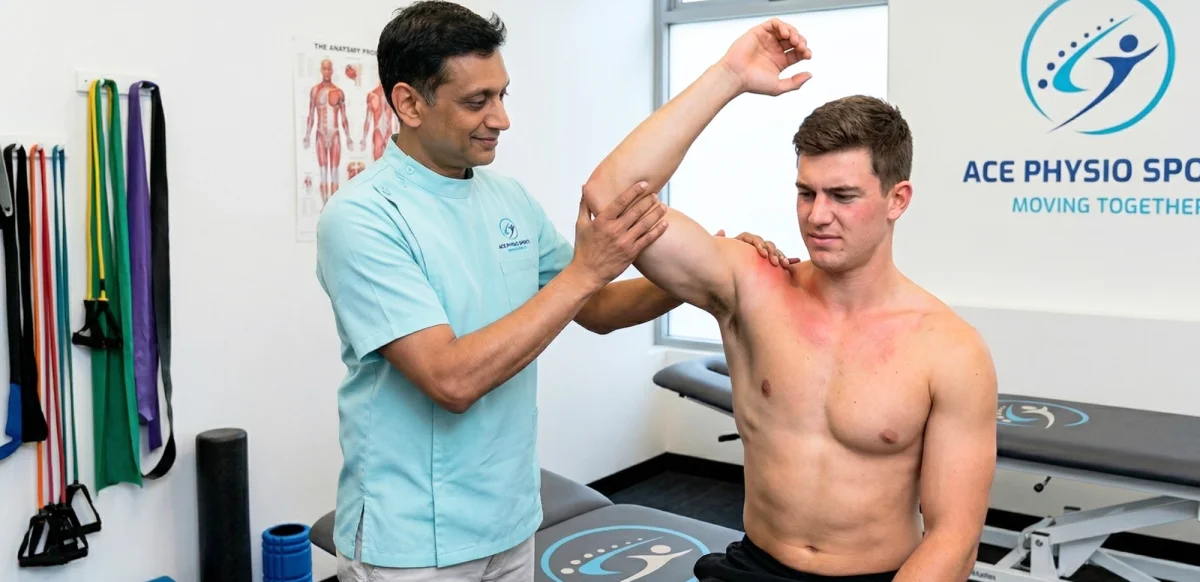
Shoulder Pain From Cricket, Tennis or Badminton? Common Throwing Injuries & Prevention
If you've ever felt shoulder pain after bowling in cricket, smashing a shuttlecock in badminton, serving in tennis, or performing repeated overhead movements during sport, you're not alone.
Shoulder injuries are among the most common sports-related problems we see at ACE Physio Sports. Many athletes and active individuals initially ignore mild discomfort, only to find that the pain gradually worsens and begins affecting performance, training, and even daily activities.
For patients across East Coast Singapore, including Katong, Marine Parade, Joo Chiat, Siglap, and Bedok, shoulder pain from overhead sports is often preventable when identified and treated early.
Why Overhead Sports Place Stress on the Shoulder
The shoulder is one of the most mobile joints in the human body.
This mobility allows athletes to generate speed and power during:
- Cricket bowling
- Cricket throwing
- Tennis serves
- Badminton smashes
- Volleyball spikes
- Swimming strokes
However, this mobility comes at a cost.
The shoulder relies heavily on muscles, tendons, and joint control to remain stable during high-speed movements.
When training loads increase too quickly, technique deteriorates, or recovery is insufficient, injury risk rises significantly.
Common Sports That Cause Shoulder Overuse Injuries
We commonly see shoulder injuries in:
- Cricket players
- Badminton players
- Tennis players
- Volleyball athletes
- Swimmers
- CrossFit athletes
- Gym-goers performing overhead lifting
While each sport places different demands on the body, the underlying mechanisms of injury are often similar.
Common Overhead Throwing and Shoulder Injuries
Rotator Cuff Tendon Injuries
The rotator cuff consists of a group of muscles and tendons that help stabilise the shoulder joint.
Repeated overhead movement can overload these tissues, leading to irritation, inflammation, or tendon injury.
Common symptoms include:
- Pain when lifting the arm
- Pain during sport
- Shoulder weakness
- Difficulty reaching overhead
Shoulder Impingement
Shoulder impingement occurs when structures within the shoulder become compressed during movement.
Athletes often report:
- Pain during serving or smashing
- Pain when reaching overhead
- Reduced shoulder mobility
- Discomfort when sleeping on the affected side
Shoulder Instability
In some athletes, repeated overhead stress causes excessive movement within the shoulder joint.
This may create:
- A feeling of looseness
- Clicking sensations
- Reduced confidence during throwing
- Recurrent shoulder pain
SLAP Tears and Labral Injuries
The labrum helps provide stability within the shoulder joint.
High-force overhead movements can sometimes lead to labral injuries, particularly in throwing athletes.
Symptoms may include:
- Deep shoulder pain
- Clicking
- Catching sensations
- Reduced performance
Elbow Pain in Throwing Athletes
Not all throwing injuries occur in the shoulder.
The elbow also experiences significant forces during throwing and overhead sports.
Common symptoms include:
- Inner elbow pain
- Reduced grip strength
- Pain during serves or throws
- Persistent soreness after training
Why Athletes Continue To Get Re-Injured
One of the biggest mistakes athletes make is focusing only on the painful area.
Pain is often a symptom rather than the root cause.
Contributing factors may include:
- Poor shoulder mobility
- Weak rotator cuff muscles
- Inadequate scapular control
- Reduced thoracic spine mobility
- Poor training load management
- Faulty movement mechanics
Without addressing these factors, symptoms frequently return.
How Physiotherapy Helps Shoulder Sports Injuries
At ACE Physio Sports, our goal is not only to reduce pain but also to identify why the injury occurred in the first place.
Treatment may include:
Comprehensive Assessment
We evaluate:
- Shoulder mobility
- Strength deficits
- Throwing mechanics
- Training habits
- Movement quality
- Sport-specific demands
Hands-On Treatment
Depending on the condition, treatment may include:
- Manual therapy
- Joint mobilisation
- Soft tissue techniques
- Dry needling where appropriate
Rehabilitation and Performance Training
Rehabilitation often focuses on:
- Rotator cuff strengthening
- Shoulder stability
- Scapular control
- Core strength
- Progressive return-to-sport training
A Patient Success Story
A recreational badminton player from Katong visited ACE Physio Sports after experiencing recurring shoulder pain during overhead smashes.
The discomfort had gradually worsened over several months and was beginning to affect both performance and confidence on court.
During assessment, Vineet Bansal identified reduced shoulder mobility, weakness within the rotator cuff, and movement patterns that were placing excessive stress on the shoulder.
A personalised rehabilitation programme was developed focusing on:
- Mobility restoration
- Rotator cuff strengthening
- Shoulder stability
- Load management strategies
Over the following weeks, pain levels improved significantly and the patient was able to return to regular badminton sessions with greater comfort and confidence.
How To Reduce Your Risk of Shoulder Injuries
While no injury can be prevented entirely, athletes can significantly reduce risk by:
- Performing proper warm-ups
- Gradually increasing training loads
- Improving shoulder strength
- Maintaining mobility
- Prioritising recovery
- Addressing symptoms early
Seeking professional advice before pain becomes persistent often leads to faster recovery and better long-term outcomes.
When Should You See a Physiotherapist?
Consider seeking assessment if:
- Shoulder pain lasts longer than a few days
- Pain affects sports performance
- Symptoms return repeatedly
- Shoulder weakness develops
- Clicking or instability occurs
- Daily activities become uncomfortable
Early intervention can help prevent minor problems from becoming long-term injuries.
Final Thoughts
Shoulder pain from cricket, badminton, tennis, volleyball, and other overhead sports is extremely common, but it should never be considered normal.
Whether you're a competitive athlete or simply enjoy staying active, identifying the cause of pain early and following a structured rehabilitation plan can help you recover more effectively and reduce future injury risk.
At ACE Physio Sports, we regularly help athletes and active individuals from Katong, Marine Parade, Joo Chiat, Siglap, Bedok, and East Coast Singapore return to sport with greater confidence, improved movement, and long-term shoulder health.