
ACL Injury : Symptoms, Physiotherapy, Treatment, Surgery & Rehabilitation

Introduction
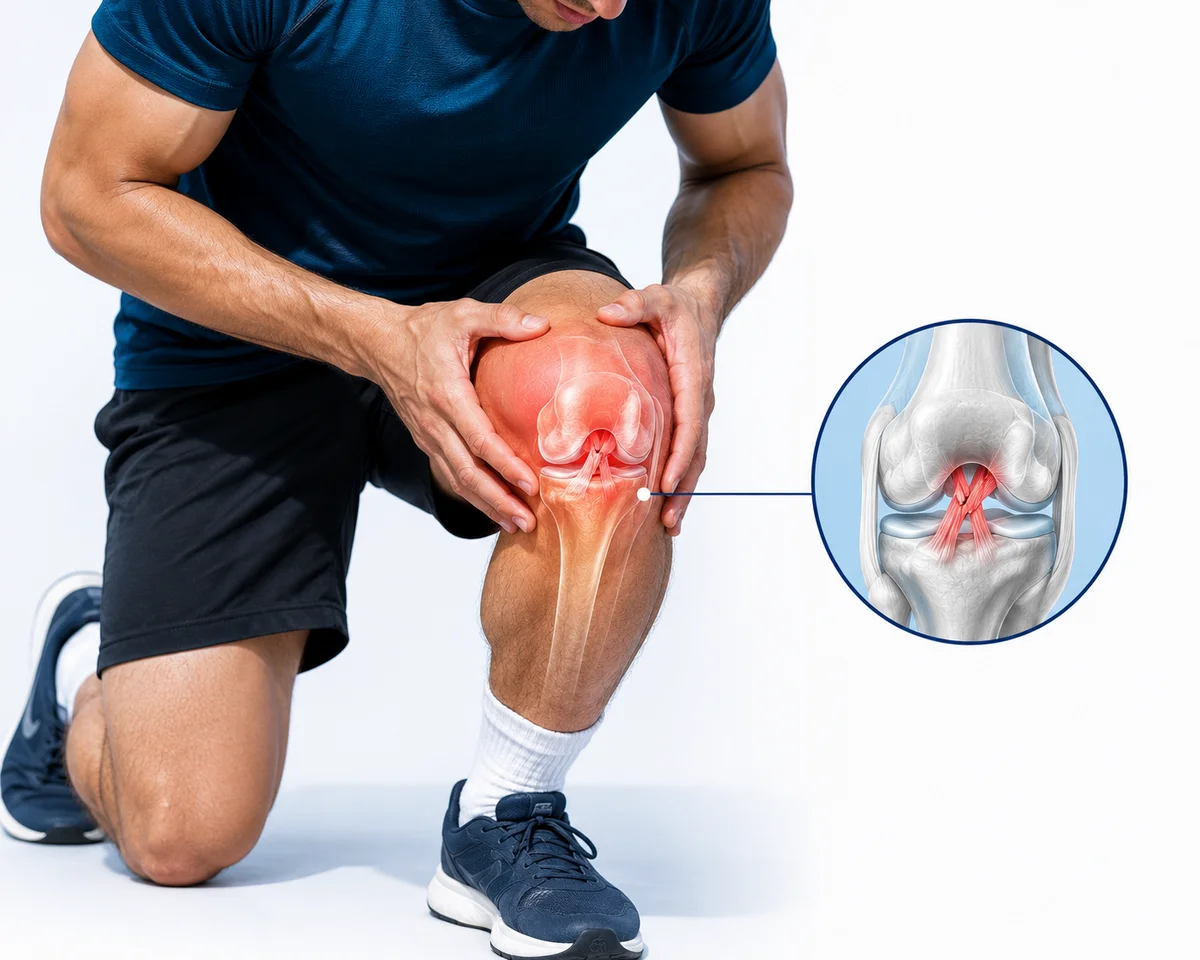
An ACL injury is one of the most significant knee injuries an active person can experience. Whether it happens during a football match, a game of badminton, a padel rally, a basketball jump landing, or even an awkward twist while hiking, an injured anterior cruciate ligament can have a major impact on your mobility, confidence, and ability to stay active.
Many people describe hearing or feeling a sudden "pop" in the knee before experiencing swelling, instability or difficulty continuing their activity. Others notice that the knee repeatedly "gives way" during everyday movements, making it difficult to trust the joint even after the initial pain has settled.
At ACE Physio Sports, we regularly assess and rehabilitate patients from East Coast Road, Katong, Marine Parade, Siglap, Bedok, and across Singapore with ACL injuries ranging from mild partial tears to complete ligament ruptures. Some injuries occur during competitive sport, while others happen during recreational activities, fitness training, or unexpected slips and falls.
An ACL injury can feel overwhelming, particularly if you've been told surgery might be necessary or if you're unsure when you'll be able to return to work, exercise, or your favourite sport. The good news is that modern physiotherapy and evidence-based rehabilitation have significantly improved recovery outcomes. With the right assessment, treatment plan and progressive rehabilitation, many people successfully regain strength, stability and confidence in their knee.
Evidence-based rehabilitation plays an important role before and after ACL reconstruction, with progressive strengthening, neuromuscular training and functional testing forming key components of successful recovery, as highlighted in the American Academy of Orthopaedic Surgeons Clinical Practice Guideline.
This guide explains how ACL injuries happen, the symptoms to watch for, when physiotherapy can help, whether surgery is always required, and what recovery realistically looks like from the first few days after injury through to returning to sport and the gym.
What Is the ACL?
The anterior cruciate ligament (ACL) is one of the four major ligaments that stabilise the knee joint.
It connects the thigh bone (femur) to the shin bone (tibia) and plays a vital role in controlling the movement of the knee during walking, running, jumping and rapid changes of direction.
The ACL helps to:
- Prevent the shin bone from sliding too far forwards.
- Control rotational movements of the knee.
- Provide stability during cutting, pivoting and landing.
- Support balance during dynamic sporting movements.
- Protect the knee during sudden changes in direction.
Although relatively small, the ACL has an important job. Without it functioning properly, many people experience instability, particularly during activities that involve twisting, pivoting or stopping suddenly.
This is why ACL injuries are common in sports that demand explosive movement, but they can also occur during everyday accidents if the knee twists unexpectedly.
Understanding How the Knee Works
The knee is one of the largest and most complex joints in the body.
Rather than relying on a single structure, it depends on several tissues working together to provide stability, movement and shock absorption.
These include:
- The ACL
- The posterior cruciate ligament (PCL)
- The medial collateral ligament (MCL)
- The lateral collateral ligament (LCL)
- The menisci (cartilage cushions)
- The quadriceps muscles
- The hamstrings
- The calf muscles
- The surrounding tendons
- The joint capsule
When an ACL injury occurs, other structures may also be affected. For example, some patients also sustain a meniscus tear, cartilage injury, MCL sprain, or bone bruising at the same time.
This is one reason why every ACL injury should be assessed individually rather than assuming all ligament injuries recover in the same way.
How Do ACL Injuries Happen?
Many people assume ACL injuries only happen after a heavy tackle or collision. Surprisingly, this isn't always the case.
Research has shown that many ACL tears occur without direct contact, often during movements that place a large rotational force through the knee.
Common mechanisms include:
- Suddenly changing direction while running.
- Landing awkwardly after jumping.
- Twisting the knee while the foot remains planted.
- Rapid deceleration before changing direction.
- Pivoting on one leg.
- Losing balance during sport.
- Slipping on uneven ground.
Although these movements happen quickly, the forces travelling through the knee can be substantial.
Poor landing mechanics, muscle weakness, fatigue, previous injuries and reduced neuromuscular control can all increase the likelihood of an ACL injury.
Sports and Activities Commonly Associated with ACL Injuries
ACL injuries can occur in almost any activity involving jumping, pivoting or sudden changes of direction.
Some of the sports where ACL injuries are most frequently seen include:
Football
Rapid acceleration, cutting, tackling and pivoting place significant stress on the knee.
Basketball
Jumping, landing and sudden direction changes make basketball one of the sports most commonly associated with ACL injuries.
Badminton
Explosive lunges, sideways movements and rapid recovery steps repeatedly load the knee throughout a match.
Padel
As padel continues to grow across Singapore, physiotherapists are seeing more knee injuries caused by repeated lunging, twisting and sudden directional changes on court.
Tennis
Fast lateral movements and repeated stopping and starting can overload the knee, particularly during long matches.
Netball
Landing on one leg after catching the ball places considerable demand on knee stability.
Rugby
Both contact and non-contact mechanisms contribute to ACL injuries.
Skiing
Twisting falls while the foot remains fixed in the ski are a well-recognised cause of ACL injuries.
Cricket
Fielding, sprinting between wickets and awkward landings can occasionally result in ligament injuries.
Gym Training
Although resistance training itself rarely causes ACL tears when performed correctly, accidents may occur during jumping exercises, poor landing mechanics, sudden twisting movements or returning to high-impact training before the knee has fully recovered from a previous injury.
For most people, well-supervised strength training actually plays an important role in both preventing ACL injuries and supporting rehabilitation.
If your injury occurred during sport, our Sports Physiotherapy Singapore service focuses on evidence-based rehabilitation to help you recover safely and return to your chosen activity with confidence.
And Also checkout our Blog On Sports Injury Treatment & Physiotherapy
Common Symptoms of an ACL Injury
Not every knee injury is an ACL tear, but several symptoms should raise suspicion.
Common signs include:
- A popping sensation at the time of injury.
- Rapid swelling within the first few hours.
- Difficulty continuing the activity.
- Knee instability or "giving way."
- Pain during weight-bearing.
- Reduced knee movement.
- Difficulty walking normally.
- Feeling unable to trust the knee.
- Pain during twisting movements.
- Difficulty changing direction.
Some people experience surprisingly little pain after the initial injury, yet continue to notice instability weeks later. This is why relying on pain alone is not a reliable way to judge the severity of an ACL injury.
Not every episode of knee pain is caused by an ACL injury. Our Knee Pain Physiotherapy & Conditions We Treat service assesses a wide range of ligament, tendon, cartilage and overuse conditions affecting the knee. And You can also checkout our blog on How we Treat Knee Injury & Pain with Real patient story and how he got best results from our service.
Can You Walk With a Torn ACL?
One of the most common questions patients ask is:
"If I can still walk, does that mean my ACL isn't torn?"
The answer is not necessarily.
Many people are able to walk after an ACL injury, particularly once the initial pain and swelling begin to settle. However, walking normally does not rule out a partial or complete ACL tear.
The key difference is that activities involving pivoting, sudden direction changes or uneven ground often feel unstable. Some people describe the knee as "giving way" unexpectedly, while others avoid certain movements because they no longer trust the joint.
If your knee feels unstable after a twisting injury, it's important to arrange a professional assessment rather than continuing to exercise and hoping it will improve on its own.
When Should You Seek Professional Assessment?
You should arrange an assessment if you experience:
- A popping sensation during injury.
- Rapid swelling.
- Difficulty putting weight through the leg.
- Recurrent knee instability.
- Persistent swelling after several days.
- Difficulty straightening the knee.
- Locking or catching sensations.
- Pain preventing return to sport.
- A knee injury during football, basketball, badminton, padel or similar activities.
At ACE Physio Sports, every knee assessment begins with understanding how the injury occurred, your activity goals and your previous injury history. This helps us determine whether physiotherapy is appropriate, whether further imaging such as an MRI may be helpful, or whether referral to an orthopaedic specialist is recommended.
Diagnosing an ACL Injury
An ACL injury cannot be diagnosed based on symptoms alone. While a popping sensation, swelling and knee instability are common signs, other knee injuries such as meniscus tears, medial collateral ligament (MCL) injuries or cartilage damage can produce similar symptoms.
A thorough assessment helps determine the extent of the injury and whether other structures within the knee have also been affected.
During your assessment, a physiotherapist or orthopaedic specialist will typically ask about:
- How the injury happened.
- Whether you heard or felt a "pop".
- How quickly the knee swelled.
- Whether you were able to continue playing.
- Any previous knee injuries.
- Your sport, occupation and activity goals.
This is followed by a physical examination to assess:
- Knee stability
- Range of motion
- Swelling
- Walking pattern
- Muscle strength
- Balance
- Ligament integrity
Special clinical tests such as the Lachman Test, Anterior Drawer Test and Pivot Shift Test may be performed where appropriate to assess ACL stability.
However, these tests form only one part of the assessment and should always be interpreted alongside your symptoms, injury history and, where required, imaging findings.
Do You Always Need an MRI?
One of the most common questions patients ask is:
"Do I need an MRI to confirm an ACL tear?"
Not always.
Experienced clinicians can often strongly suspect an ACL injury based on the mechanism of injury, clinical history and physical examination.
However, an MRI is commonly recommended when:
- The diagnosis remains uncertain.
- Other knee structures may also be injured.
- Surgery is being considered.
- Symptoms are not improving as expected.
- Significant locking or persistent swelling is present.
MRI scans are particularly useful because they can identify injuries that cannot be detected through examination alone, including:
- Meniscus tears
- Cartilage damage
- Bone bruising
- MCL injuries
- PCL injuries
- Tendon injuries
At ACE Physio Sports, if your assessment suggests further investigation is appropriate, we can advise you on the next steps and, where necessary, recommend review by an orthopaedic specialist.
Partial ACL Tear vs Complete ACL Tear
Not every ACL injury is the same.
Some people experience a partial tear, where only part of the ligament has been damaged, while others sustain a complete rupture, where the ligament is fully torn.
Although symptoms may overlap, treatment decisions depend on several factors, including:
- Knee stability
- Age
- Daily activity requirements
- Sporting goals
- Associated injuries
- Overall health
Some individuals with partial ACL tears regain good knee function through structured rehabilitation alone, while highly active athletes participating in sports involving cutting and pivoting movements may require surgical reconstruction if instability persists.
Rather than focusing only on MRI findings, clinicians assess how the knee performs during functional movement and whether instability continues despite rehabilitation.
Can an ACL Tear Heal Without Surgery?
This is one of the most frequently searched questions online.
The answer depends on the severity of the injury, the stability of the knee and your lifestyle goals.
Some people are able to return to everyday activities without surgery following a structured physiotherapy programme, particularly if:
- The tear is partial.
- Knee stability remains good.
- They do not regularly participate in pivoting sports.
- Functional rehabilitation restores strength and movement.
However, for others—especially athletes involved in football, basketball, badminton, rugby, netball or padel—persistent instability may increase the risk of further knee damage, making surgical reconstruction the most appropriate option.
There is no single treatment pathway that suits everyone. The decision should always be made after careful assessment and discussion with your healthcare team.
What Happens If an ACL Injury Is Left Untreated?
Some people are able to walk comfortably after an ACL injury and assume the knee has healed.
Unfortunately, this is not always the case.
If the knee continues to give way during everyday activities or sport, repeated instability episodes may increase the likelihood of:
- Meniscus tears
- Cartilage damage
- Ongoing swelling
- Muscle weakness
- Reduced confidence during movement
- Early degenerative changes within the knee
This does not mean every ACL injury requires surgery, but it does highlight why early assessment and appropriate rehabilitation are important.
Physiotherapy Before Surgery (Prehabilitation)
If surgery has been recommended, many patients are surprised to learn that physiotherapy often begins before the operation.
This phase is commonly known as prehabilitation, or prehab.
Research has shown that improving knee function before surgery may contribute to better rehabilitation afterwards.
Prehabilitation commonly focuses on:
- Reducing swelling.
- Restoring knee movement.
- Improving quadriceps strength.
- Improving hamstring strength.
- Normalising walking.
- Improving balance.
- Preparing patients for post-operative rehabilitation.
Starting rehabilitation before surgery also helps patients become familiar with the exercises they will continue after reconstruction.
Physiotherapy After ACL Surgery
Recovering from ACL reconstruction is a gradual process rather than a race.
Successful rehabilitation focuses on restoring strength, movement, balance and confidence before returning to demanding activities.
Rather than following the calendar alone, physiotherapists monitor progress using objective milestones throughout recovery.
Rehabilitation may include:
- Pain and swelling management
- Restoring knee extension and flexion
- Progressive strengthening
- Balance training
- Neuromuscular control
- Walking retraining
- Running progression
- Jump and landing mechanics
- Agility training
- Sport-specific rehabilitation
- Return-to-play testing
Every rehabilitation programme is tailored to the individual's progress rather than following a rigid timeline.
Our Post-Surgical Rehabilitation programme supports patients throughout every stage of recovery following ACL reconstruction, helping restore strength, confidence and safe movement.
How Physiotherapy Helps Throughout Recovery
Physiotherapy is not simply about reducing pain.
Its primary aim is to restore how the knee functions during everyday activities and sport.
At ACE Physio Sports, rehabilitation begins with understanding the individual rather than focusing only on the injured ligament.
Your physiotherapist assesses:
- Knee stability
- Muscle strength
- Joint mobility
- Walking mechanics
- Running mechanics
- Balance
- Landing control
- Movement quality
- Previous injuries
- Sport-specific demands
From there, a personalised rehabilitation programme is developed based on your goals whether that means returning to recreational walking, competitive football, regular gym training or weekend padel matches.
Treatment may include:
- Evidence-based exercise therapy
- Manual therapy where appropriate
- Progressive strength training
- Neuromuscular rehabilitation
- Functional movement retraining
- Return-to-running programmes
- Return-to-sport testing
- Injury prevention strategies
The objective is not simply to help you recover, but to help reduce the likelihood of future knee injuries while restoring confidence in your movement.
Returning to Everyday Activities After an ACL Injury
Recovering from an ACL injury is about more than returning to sport. For many people, the first milestones are being able to walk confidently, climb stairs comfortably, drive, return to work and complete everyday tasks without worrying that the knee will give way.
Recovery is different for everyone. Factors such as the severity of the injury, whether surgery was required, associated damage to the meniscus or cartilage, your general health and your rehabilitation progress all influence how quickly you regain function.
Rather than comparing your recovery with someone else's, it's more helpful to focus on achieving functional milestones safely under the guidance of your physiotherapist.
When Can You Return to the Gym?
One of the most common concerns after an ACL injury is:
"Will I ever be able to train properly again?"
The answer is yes for many people, but returning too soon or progressing too quickly can increase the risk of re-injury.
Gym exercises are introduced gradually as your knee becomes stronger, swelling reduces and movement improves.
Can You Squat After an ACL Injury?
Squats are an important part of ACL rehabilitation because they help rebuild strength in the quadriceps, glutes and surrounding muscles that support the knee.
Most people begin with simple bodyweight squats before progressing to resistance-based variations as advised by their physiotherapist.
The emphasis is always on movement quality rather than lifting heavy weights.
Can You Deadlift After ACL Surgery?
Yes but timing matters.
Deadlifts are primarily a hip-dominant exercise and, when introduced at the appropriate stage of rehabilitation, can help strengthen the glutes, hamstrings and posterior chain without placing unnecessary stress on the recovering knee.
Your physiotherapist will consider factors such as:
- Knee stability
- Range of motion
- Strength
- Pain levels
- Movement control
before progressing to loaded deadlifts.
Good technique is essential, and heavier lifting should only be introduced once you have met the appropriate rehabilitation milestones.
Are Lunges and Leg Press Safe?
Lunges and leg press exercises can also play an important role during rehabilitation.
However, the timing, depth of movement and resistance should always be individualised.
Rather than copying exercises from social media or returning to previous training loads too early, following a structured rehabilitation programme helps ensure exercises are introduced safely and progressively.
Is Cycling Good for ACL Recovery?
Cycling is commonly included during rehabilitation because it helps improve knee movement, cardiovascular fitness and muscle endurance while placing relatively low impact on the joint.
Depending on your stage of recovery, your physiotherapist may recommend beginning with a stationary bike before progressing to outdoor cycling.
Returning to Sport
Returning to sport should never be based solely on the number of months since injury or surgery.
A successful return depends on:
- Strength recovery
- Balance
- Agility
- Landing control
- Confidence
- Sport-specific movement
- Functional testing
At ACE Physio Sports, return-to-sport decisions are based on objective assessment rather than the calendar alone.
Football
Football places high demands on the ACL because of repeated cutting, pivoting, tackling and sprinting.
Before returning to football, rehabilitation should include:
- Sprint drills
- Agility exercises
- Cutting movements
- Single-leg strength
- Jump and landing control
Basketball
Basketball involves frequent jumping and rapid changes of direction.
Progressive plyometric training and landing mechanics are important components of rehabilitation before returning to competitive play.
Badminton
Badminton requires repeated lunges, sideways movement and explosive acceleration.
Rehabilitation focuses on restoring lower limb strength, balance and movement efficiency before returning to full-intensity matches.
Padel and Tennis
As participation in padel continues to grow across Singapore, we are seeing more players recovering from knee injuries while aiming to return safely to the court.
Because both sports involve repeated pivoting, quick directional changes and lunging, rehabilitation includes:
- Agility drills
- Rotational control
- Single-leg stability
- Court movement practice
- Progressive return to match play
Running
Many patients are eager to start running again.
However, returning too early may overload healing tissues.
Running is usually introduced after sufficient strength, movement quality and impact tolerance have been restored, with gradual progression in distance, speed and intensity.
Can You Prevent Another ACL Injury?
Although no programme can eliminate injury risk completely, research suggests that structured neuromuscular training can significantly reduce the likelihood of future ACL injuries.
Helpful strategies include:
- Maintaining lower limb strength.
- Improving landing mechanics.
- Strengthening the hips and core.
- Practising balance exercises.
- Managing training load.
- Warming up properly before sport.
- Avoiding sudden increases in activity.
- Completing sport-specific conditioning before competition.
Many athletes also benefit from periodic movement assessments to identify areas of weakness before they contribute to injury.
A Patient Story
A recreational football player from Katong visited ACE Physio Sports after twisting his knee during a weekend match. Although he was able to walk shortly afterwards, his knee repeatedly gave way whenever he attempted to change direction.
Following a comprehensive assessment by Vineet Bansal, Clinical Director and Principal Physiotherapist, together with appropriate imaging, the injury was confirmed as an ACL tear with associated knee instability.
After discussing treatment options with his healthcare team, he underwent ACL reconstruction and began a structured rehabilitation programme focusing on restoring knee movement, rebuilding strength and gradually progressing through balance, running and sport-specific exercises.
Over the following months, his rehabilitation milestones included regaining full knee extension, improving quadriceps strength, returning to jogging, progressing through agility drills and eventually returning to recreational football with improved confidence and knee stability.
Every patient's recovery journey is unique. Treatment recommendations, timelines and outcomes depend on the nature of the injury, associated conditions, individual goals and clinical progress.
Why Choose ACE Physio Sports?
Recovering from an ACL injury requires more than simply waiting for the ligament to heal. It requires careful assessment, progressive rehabilitation and guidance that matches your individual goals.
At ACE Physio Sports, our team provides personalised, evidence-based physiotherapy programmes designed to help patients regain strength, restore confidence and return safely to the activities that matter most.
We regularly support patients from East Coast Road, Katong, Marine Parade, Siglap, Bedok and throughout Singapore, treating everyone from recreational gym-goers to competitive athletes.
Whether your goal is returning to football, badminton, padel, running, gym training or simply walking without instability, rehabilitation is tailored to your progress rather than a fixed timeline.
Conclusion
An ACL injury can be physically and emotionally challenging, but it does not have to define your future activity levels.
With an accurate diagnosis, evidence-based physiotherapy and a structured rehabilitation programme, many people successfully return to work, the gym and the sports they enjoy.
Early assessment is important, not only to identify the extent of the injury but also to guide appropriate treatment and reduce the risk of further knee damage. Whether your injury occurred on the football pitch, badminton court, padel court or during everyday activities, seeking professional advice early can help you make informed decisions about your recovery.
At ACE Physio Sports, we are committed to helping patients across Singapore recover with confidence through personalised rehabilitation programmes that prioritise long-term movement, performance and injury prevention.