
Knee Pain Physiotherapy: Causes, Treatment & Lasting Relief

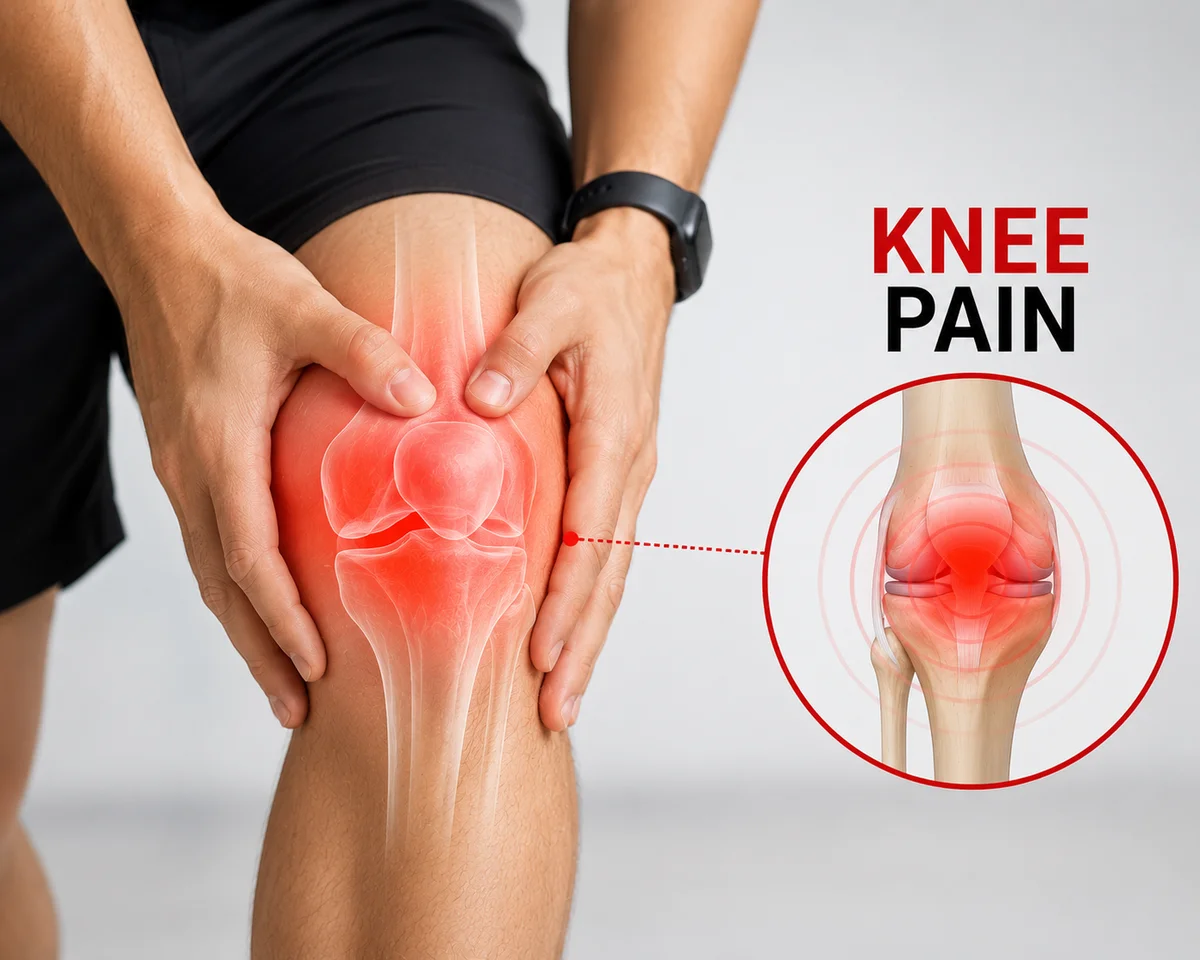
Knee Pain Physiotherapy in East Coast Singapore: Causes, Treatment & Lasting Relief
Knee pain is one of the most common reasons people seek physiotherapy, and for good reason. The knee is involved in almost every movement we make from getting out of bed in the morning and climbing stairs to exercising, playing sports and simply walking around the neighbourhood.
When knee pain develops, it rarely affects just one activity. It can gradually interfere with work, exercise, sleep and the independence to enjoy everyday life. Some people notice discomfort only while running, whereas others begin to experience pain during simple movements such as standing up from a chair or walking short distances.
At ACE Physio Sports, we regularly help patients from East Coast Road, Katong, Marine Parade, Siglap, Joo Chiat, Bedok and across Singapore understand the underlying cause of their knee pain and guide them through a structured rehabilitation programme designed around their lifestyle and recovery goals.
One of the biggest misconceptions we see is that knee pain automatically means something is "damaged" or that surgery is inevitable. In reality, many knee conditions improve significantly with an accurate diagnosis, evidence-based physiotherapy and a personalised exercise programme.
Rather than simply treating where it hurts, effective physiotherapy focuses on understanding why the pain developed in the first place. This often involves assessing movement patterns, muscle strength, joint mobility, training habits and daily activities so the root cause can be addressed not just the symptoms.
Whether your knee pain started after a sporting injury, months of gym training, a weekend run at East Coast Park or gradually appeared without a specific injury, identifying the cause early often leads to a faster and more confident recovery.
If your symptoms have already been diagnosed, you can also learn more about our Knee Pain Physiotherapy & conditions we treat under Knee Pain treatment approach.
Why Is Knee Pain So Common?
The knee is one of the hardest-working joints in the body.
Every step, squat, jump and change of direction places force through the knee. During activities such as running or landing from a jump, the forces travelling through the joint can be several times your body weight.
Unlike joints that move in many directions, the knee relies on a combination of bones, cartilage, ligaments, tendons and muscles working together to provide both stability and movement. When one part of this system becomes overloaded or does not function efficiently, pain can develop.
For many people, knee pain is not caused by one major injury. Instead, it develops gradually through a combination of factors such as:
- Repetitive sporting activities
- Sudden increases in training volume
- Muscle weakness
- Reduced hip or ankle mobility
- Poor movement mechanics
- Previous injuries
- Long periods of sitting
- Age-related changes within the joint
Understanding which of these factors is contributing to your symptoms is an important first step towards long-term recovery.
Common Causes of Knee Pain
Knee pain is not a single condition. It is a symptom that can arise from several different problems, each requiring a different management approach.
Patellofemoral Pain Syndrome (Runner's Knee)
One of the most common causes of knee pain is patellofemoral pain syndrome, often referred to as "runner's knee."
Despite its name, this condition is not limited to runners. It frequently affects office workers, gym-goers, recreational athletes and anyone whose knee experiences repeated loading.
Patients often describe pain:
- Around or behind the kneecap
- While climbing stairs
- After prolonged sitting
- During squats or lunges
- While running downhill
In many cases, the problem is related to how the knee moves rather than damage inside the joint itself. Improving strength, movement control and biomechanics can often reduce symptoms significantly.
Meniscus Injuries
The meniscus acts as a shock absorber within the knee.
Twisting suddenly while the foot remains planted can place excessive stress on this cartilage, leading to irritation or a tear.
Common symptoms include:
- Pain when twisting
- Swelling
- Clicking or catching sensations
- Difficulty fully bending or straightening the knee
Not every meniscus injury requires surgery. The most appropriate treatment depends on factors such as age, activity level, symptoms and the type of injury.
Ligament Injuries
Ligaments help stabilise the knee during movement.
Sports involving sudden direction changes such as football, basketball, badminton and netball can place high stress on these structures.
Ligament injuries range from mild sprains to complete tears and may involve the ACL, PCL, MCL or LCL.
Early assessment helps determine the severity of the injury and guides the most appropriate rehabilitation pathway.
Tendon-Related Knee Pain
Tendons connect muscles to bones.
Activities involving jumping, sprinting or repeated acceleration can overload these tissues, particularly the patellar tendon.
Athletes often notice:
- Pain below the kneecap
- Morning stiffness
- Pain during jumping
- Symptoms that worsen with repeated activity
Managing tendon pain requires a gradual and progressive loading programme rather than complete rest.
Knee Osteoarthritis
Knee osteoarthritis becomes more common with age but should not automatically be viewed as a reason to stop being active.
Many people continue to enjoy walking, travelling, recreational sports and exercise with the right rehabilitation programme.
Evidence shows that appropriately prescribed exercise remains one of the most effective treatments for improving pain and function in many individuals with knee osteoarthritis.
Gym-Related Knee Pain
Not all gym-related knee pain is caused by heavy lifting.
Sometimes the issue is linked to movement technique, training volume or muscle imbalances rather than the amount of weight being lifted.
Exercises that may provoke symptoms include:
- Squats
- Lunges
- Leg press
- Box jumps
- Running intervals
Rather than avoiding exercise completely, physiotherapy aims to identify which movements need modification while helping you continue exercising safely.
When Should You See a Physiotherapist?
Many people hope knee pain will disappear with rest alone.
While minor soreness often settles within a few days, persistent pain should not be ignored.
Consider arranging a physiotherapy assessment if you notice:
- Knee pain lasting longer than two weeks
- Swelling after activity
- Difficulty climbing stairs
- Pain during walking or running
- The knee giving way or feeling unstable
- Reduced movement compared to your other knee
- Difficulty returning to sport
- Pain that repeatedly comes back after exercise
Seeking professional advice early may help prevent a relatively minor problem from becoming a longer-term issue that affects your work, fitness and quality of life.
Rather than relying solely on painkillers or stopping activity altogether, understanding the cause of your symptoms allows a rehabilitation programme to be tailored to your goals whether that means returning to the gym, completing a marathon, playing sport or simply moving comfortably throughout the day.
How Is Knee Pain Diagnosed?
One of the biggest mistakes people make is assuming that every knee pain is the same. Two people may experience discomfort in a similar area of the knee, yet the underlying cause and therefore the most appropriate treatment can be completely different.
At ACE Physio Sports, every rehabilitation journey begins with a comprehensive physiotherapy assessment rather than a one-size-fits-all treatment approach.
Our assessment focuses on understanding not only where your knee hurts, but why the problem developed.
During your assessment, we may evaluate:
- Your medical and injury history
- How your symptoms started
- Walking and movement patterns
- Knee range of motion
- Muscle strength around the hips, knees and ankles
- Balance and movement control
- Functional activities such as squatting, climbing stairs or jogging where appropriate
- Sport-specific or work-related demands
This comprehensive assessment allows us to identify contributing factors that may not be obvious but are preventing your recovery.
Many patients are surprised to learn that knee pain is sometimes influenced by hip weakness, reduced ankle mobility or inefficient movement patterns rather than the knee itself.
Rather than simply treating symptoms, identifying these contributing factors helps reduce the likelihood of pain returning in the future.
Our Sports Physiotherapy programme is designed to help athletes and active individuals recover safely and return to training with confidence.
How Physiotherapy Helps Knee Pain
Evidence-based physiotherapy aims to reduce pain, restore normal movement and help you return confidently to the activities you enjoy.
Your rehabilitation programme is always tailored to your condition, lifestyle and goals.
Depending on your diagnosis, treatment may also form part of a broader Musculoskeletal Physiotherapy programme that addresses strength, movement quality and long-term injury prevention. And you can learn more about other Conditions We treat under Musculoskeletal Physiotherapy by clicking here Musculoskeletal Physiotherapy Conditions and Musculoskeletal Physiotherapy Symptoms
Phase 1 – Reduce Pain & Improve Movement
Early treatment focuses on settling irritation while maintaining as much movement as possible.
Depending on your assessment findings, treatment may include:
- Hands-on manual therapy
- Joint mobilisation
- Soft tissue techniques
- Activity modification advice
- Pain management strategies
- Individualised home exercises
The goal is not simply to eliminate pain but to help you continue moving safely during recovery.
Phase 2 – Restore Strength & Function
As symptoms improve, rehabilitation shifts towards addressing the underlying cause.
This often includes:
- Quadriceps strengthening
- Glute strengthening
- Hamstring rehabilitation
- Balance and proprioception training
- Hip stability exercises
- Core strengthening
- Movement retraining
Every exercise is progressed according to your symptoms and recovery rather than following a generic programme.
Phase 3 – Return to Everyday Activities & Sport
Once strength, confidence and movement have improved, rehabilitation focuses on helping you safely return to the activities that matter most.
This may involve:
- Running progression
- Jumping and landing drills
- Direction-change exercises
- Gym movement correction
- Sport-specific rehabilitation
- Workplace movement advice
Whether your goal is completing a 10 km run, playing weekend badminton or simply walking comfortably without pain, rehabilitation is designed around your individual needs.
A Patient Success Story
A recreational runner from Marine Parade visited ACE Physio Sports after experiencing persistent knee pain while preparing for an upcoming half marathon.
The discomfort initially appeared only during longer runs but gradually progressed to the point where climbing stairs and prolonged walking also became uncomfortable.
Following a detailed assessment, Clinical Director Vineet Bansal identified reduced hip strength, altered running mechanics and excessive loading around the front of the knee as the primary contributors to the symptoms.
Rather than advising complete rest, a personalised rehabilitation programme was developed focusing on improving lower limb strength, correcting movement patterns and gradually reintroducing running.
Over the following weeks, the patient reported steady improvements in pain, confidence and running tolerance, eventually returning to training without the limitations that had previously affected performance.
While every individual's recovery is different, this case highlights the importance of identifying and treating the underlying cause rather than simply managing pain.
Can Knee Pain Be Prevented?
Although not every injury can be avoided, many common causes of knee pain are preventable with the right approach.
Simple strategies include:
- Increasing training gradually rather than suddenly
- Maintaining strength around the hips and knees
- Wearing appropriate footwear
- Warming up before exercise
- Allowing adequate recovery between intense sessions
- Addressing minor symptoms before they become persistent
If you participate in running, gym training or recreational sport, periodic movement assessments can also help identify risk factors before they develop into more significant injuries.
General advice on staying physically active and maintaining healthy joints is also available through Singapore's HealthHub, which provides evidence-based information on exercise and musculoskeletal health.
Why Choose ACE Physio Sports?
Patients across East Coast Road, Katong, Marine Parade, Siglap, Joo Chiat, Bedok and surrounding areas choose ACE Physio Sports because our approach goes beyond temporary pain relief.
Every treatment programme is based on a detailed clinical assessment, evidence-based rehabilitation and personalised exercise progression.
Whether you're recovering from a sporting injury, managing long-standing knee pain or returning after surgery, our goal is to help you move confidently and reduce the likelihood of future injuries.
Conclusion
Knee pain should never be accepted as a normal part of getting older, exercising or living an active lifestyle.
Whether your symptoms developed gradually or after a specific injury, early assessment and the right rehabilitation programme can make a significant difference to your recovery.
If your symptoms began after a sporting injury, our Sports Injury Physiotherapy team can assess the injury and develop an individual rehabilitation programme.
If knee pain is preventing you from enjoying sport, work or everyday activities, seeking professional physiotherapy advice can help you understand the cause of your symptoms and create a clear pathway towards lasting recovery.