
ACL Tear: Surgery vs Conservative Treatment — What’s Best for You?

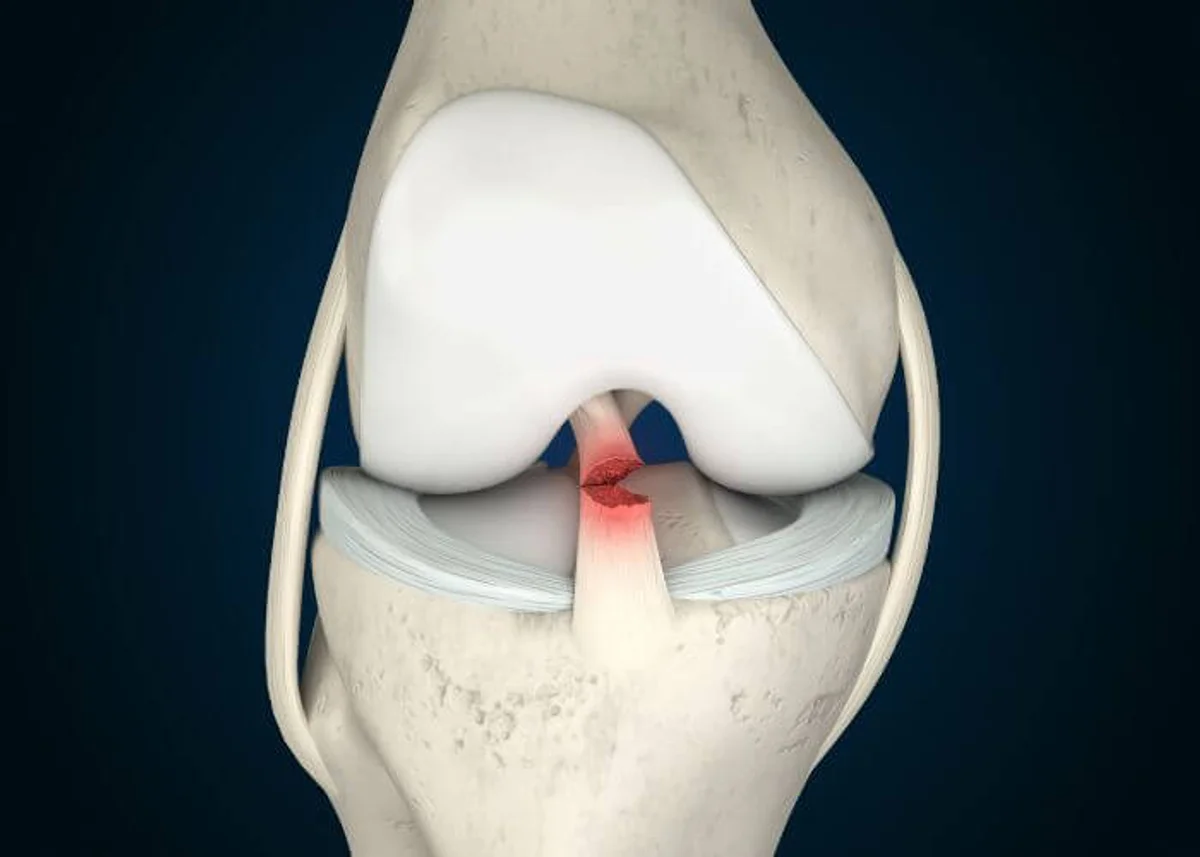
An ACL (Anterior Cruciate Ligament) tear is one of the most common knee injuries we see in active adults and athletes. Whether the injury happens during football, basketball, netball, rugby, tennis, or a simple misstep while exercising, the diagnosis often leads to the same question:
"Do I need surgery, or can physiotherapy help me recover?"
At ACE Physio Sports, many patients from Katong, Marine Parade, Joo Chiat, Bedok, Siglap, and the wider East Coast Singapore area come to us after receiving an ACL diagnosis and feeling uncertain about what to do next.
The truth is that not every ACL tear requires surgery. While some individuals benefit from ACL reconstruction, others can achieve excellent outcomes through structured physiotherapy and rehabilitation alone.
The best approach depends on your goals, lifestyle, knee stability, sporting demands, and the presence of any associated injuries.
What Is an ACL Tear?
The Anterior Cruciate Ligament (ACL) is one of the major stabilising ligaments inside the knee joint.
Its primary role is to control excessive forward movement and rotational forces within the knee, especially during activities involving:
- Running
- Jumping
- Landing
- Pivoting
- Sudden changes in direction
ACL injuries commonly occur when an athlete lands awkwardly, twists suddenly, changes direction at speed, or experiences direct contact to the knee.
In many cases, patients report hearing or feeling a "pop" at the time of injury.
Common Signs and Symptoms of an ACL Injury
While every injury is different, common symptoms include:
- A popping sensation during the injury
- Rapid swelling within a few hours
- Knee pain
- Difficulty walking comfortably
- Reduced knee movement
- A feeling that the knee may "give way"
- Loss of confidence during turning or pivoting movements
If these symptoms are present, a clinical assessment and imaging may be required to confirm the diagnosis and identify any associated injuries.
Do All ACL Tears Require Surgery?
One of the biggest misconceptions surrounding ACL injuries is that surgery is always necessary.
In reality, treatment decisions should be based on the individual rather than the MRI scan alone.
Several factors influence whether surgery is recommended, including:
- Age
- Activity level
- Sporting goals
- Occupation
- Knee stability
- Associated meniscus or cartilage injuries
- Personal preferences
For some people, surgery may provide the best pathway back to competitive sport.
For others, a well-structured physiotherapy programme may allow them to return to daily activities and recreational exercise without surgery.
Who Is More Likely to Benefit From ACL Surgery?
ACL reconstruction is often recommended for individuals who regularly participate in sports that involve:
- Cutting
- Pivoting
- Twisting
- Rapid changes of direction
Examples include:
- Football
- Basketball
- Rugby
- Tennis
- Netball
Surgery may also be considered when:
- The knee repeatedly gives way
- There is significant instability
- Associated meniscus damage is present
- Cartilage injuries are identified
- The patient wishes to return to high-level sport
It is important to understand that surgery is only one part of recovery.
A successful outcome still requires a comprehensive rehabilitation programme lasting several months.
Who May Be Suitable for Conservative ACL Treatment?
Not every ACL injury requires reconstruction surgery.
Some patients are able to regain excellent knee function through physiotherapy and progressive rehabilitation.
Conservative management may be appropriate for:
- Individuals who do not participate in pivoting sports
- Patients with stable knees
- Partial ACL tears
- Recreationally active adults
- People who wish to avoid surgery
- Individuals with lower sporting demands
The key factor is whether the knee remains stable during the activities that matter most to the patient.
How Physiotherapy Helps ACL Recovery
Regardless of whether surgery is performed, physiotherapy plays a critical role in ACL rehabilitation.
At ACE Physio Sports, rehabilitation is designed to help patients regain confidence, movement, strength, and long-term knee function.
Phase 1: Reduce Pain and Swelling
Early treatment focuses on:
- Managing swelling
- Restoring movement
- Reducing pain
- Improving walking mechanics
Phase 2: Restore Strength and Control
Once symptoms improve, rehabilitation progresses to:
- Quadriceps strengthening
- Hamstring strengthening
- Glute strengthening
- Balance training
- Movement retraining
This stage helps rebuild stability and confidence.
Phase 3: Return to Sport and Activity
For active individuals and athletes, rehabilitation progresses further into:
- Running drills
- Jumping and landing exercises
- Agility training
- Sport-specific movement patterns
- Return-to-play testing
The goal is not simply to return to sport, but to return safely and reduce future injury risk.
A Real Patient Story From East Coast Singapore
A recreational football player from Marine Parade visited ACE Physio Sports after sustaining an ACL injury during a weekend match.
Following imaging, he was advised that surgery was one option but wanted to understand whether rehabilitation could help first.
During his assessment, Vineet Bansal identified that although the ACL injury was significant, the knee demonstrated reasonable stability during daily activities and controlled movement testing.
Together, a structured rehabilitation plan was developed focusing on:
- Knee mobility
- Strength restoration
- Balance training
- Neuromuscular control
- Progressive return to running
Over the following months, the patient regained confidence in his knee, returned to many activities he enjoyed, and was able to make a more informed decision regarding long-term treatment.
Every ACL injury is unique, but this highlights the importance of obtaining an expert assessment before assuming surgery is the only option.
How Do You Decide Between Surgery and Physiotherapy?
There is no single answer that applies to everyone.
The most important questions are:
- What activities do you want to return to?
- Does your knee feel unstable?
- Are there associated meniscus or cartilage injuries?
- How important is competitive sport to you?
- Are you willing to commit to rehabilitation?
A comprehensive physiotherapy assessment can help identify the most appropriate pathway based on your goals and lifestyle.
When Should You Seek Professional Advice?
You should seek professional assessment if:
- Your knee continues to feel unstable
- Swelling persists
- Walking remains painful
- You are unsure whether surgery is necessary
- You want to return safely to sport
- You have recently been diagnosed with an ACL injury
Early assessment often leads to better decision-making and a clearer recovery plan.
Final Thoughts
An ACL tear can be a frustrating and life-changing injury, but surgery is not always the automatic answer.
For some individuals, ACL reconstruction followed by rehabilitation provides the best opportunity to return to high-level sport. For others, conservative treatment with physiotherapy can restore function, confidence, and quality of life without surgery.
The most important step is understanding your individual needs, goals, and knee function before deciding on a treatment pathway.
At ACE Physio Sports, we regularly help patients from Katong, Marine Parade, Joo Chiat, Siglap, Bedok, and East Coast Singapore navigate this decision through evidence-based assessment and personalised rehabilitation programmes.