
Trigger Finger Explained: Causes, Symptoms & Physiotherapy Treatment

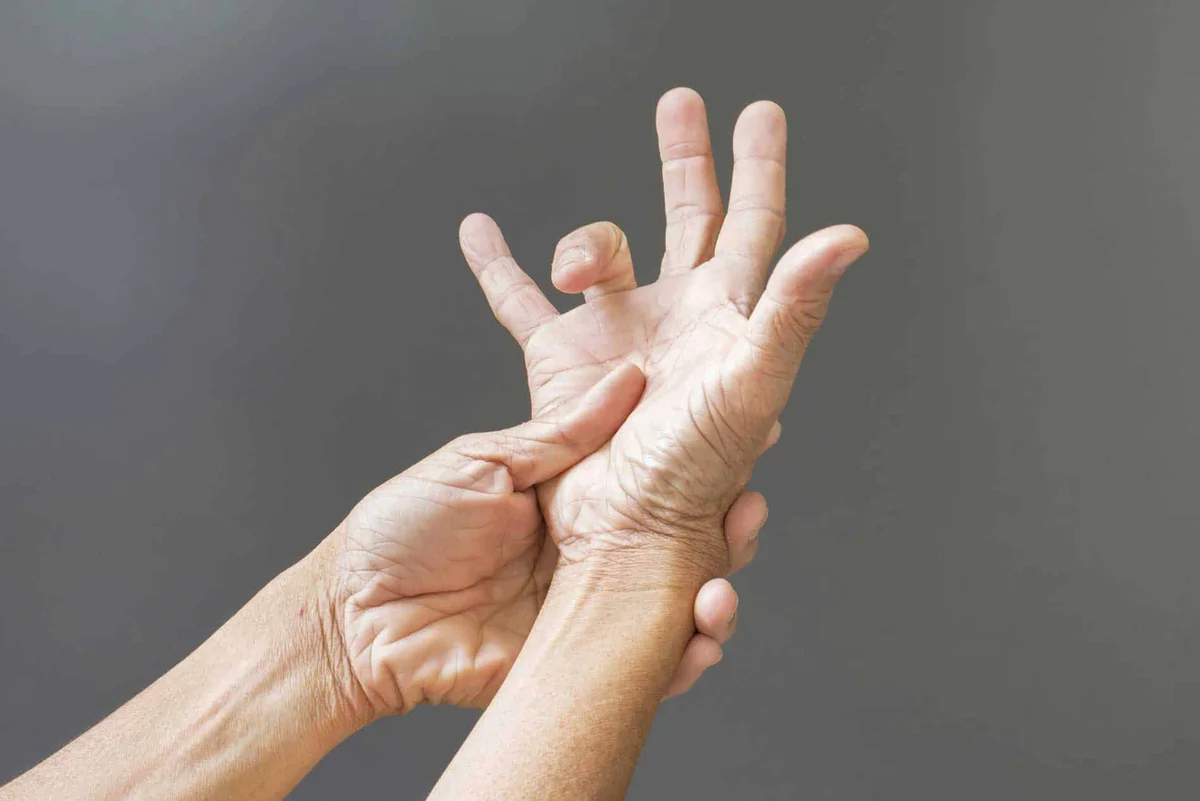
Trigger finger is a painful hand condition that causes a finger or thumb to catch, lock, or snap when you try to straighten it.
It can make simple daily tasks like gripping, typing, or holding objects difficult and uncomfortable.
At Ace Physio Sports Singapore, we provide effective, non-surgical physiotherapy treatment for trigger finger to reduce pain, restore smooth finger movement, and prevent recurrence.
What Is Trigger Finger?
Trigger finger, medically known as stenosing tenosynovitis, occurs when the tendon that bends your finger becomes irritated or inflamed.
This inflammation makes it difficult for the tendon to glide smoothly through its surrounding sheath, causing the finger to catch or lock.
Common Causes of Trigger Finger
- Repetitive gripping or hand use
- Prolonged use of tools, phones, or keyboards
- Inflammation of finger tendons
- Diabetes or rheumatoid arthritis
- Previous hand or wrist injury
Common Symptoms of Trigger Finger
- Finger stiffness, especially in the morning
- Clicking or popping sensation when moving the finger
- Finger locking in a bent position
- Pain at the base of the finger or thumb
- A tender lump in the palm
Which Fingers Are Commonly Affected?
- Thumb (Trigger thumb)
- Middle finger
- Ring finger
How Physiotherapy Helps Trigger Finger
Physiotherapy is highly effective for managing trigger finger, especially in the early and moderate stages.
Our treatment focuses on reducing tendon irritation and restoring smooth finger movement.
1. Soft Tissue & Manual Therapy
- Release of tight finger flexor tendons
- Myofascial techniques for the hand and forearm
- Reduction of tendon inflammation
2. Tendon Gliding Exercises
- Improve tendon movement
- Reduce stiffness and locking
- Restore finger flexibility
3. Splinting Advice
- Night splints to rest the tendon
- Reduce repetitive stress during healing
4. Activity & Ergonomic Modification
- Hand posture correction
- Workplace and tool-use advice
- Reducing aggravating movements
5. Pain & Inflammation Management
- Therapeutic ultrasound
- Shockwave therapy (when appropriate)
- Anti-inflammatory strategies
When Should You Seek Treatment?
You should consult a physiotherapist if:
- Your finger locks or catches frequently
- Pain persists for more than a few weeks
- Grip strength is reduced
- Daily activities become difficult
Can Trigger Finger Be Prevented?
- Avoid prolonged gripping tasks
- Take regular breaks from repetitive hand use
- Maintain hand and wrist flexibility
- Seek early treatment for finger stiffness
Book Your Trigger Finger Assessment
Early physiotherapy can prevent worsening symptoms and avoid injections or surgery.
Call: +65 8153 5374
Book Online: Book Appointment
Conclusion
Trigger finger is a frustrating condition, but most cases respond effectively to non-surgical physiotherapy. Through manual therapy, stretching, and splinting advice, we can help you restore smooth finger movement. Don't wait for your symptoms to worsen—consult our specialists for a recovery plan.