
The Weekend Warrior: Why You Get Injured Playing Sports After a Week at Your Desk

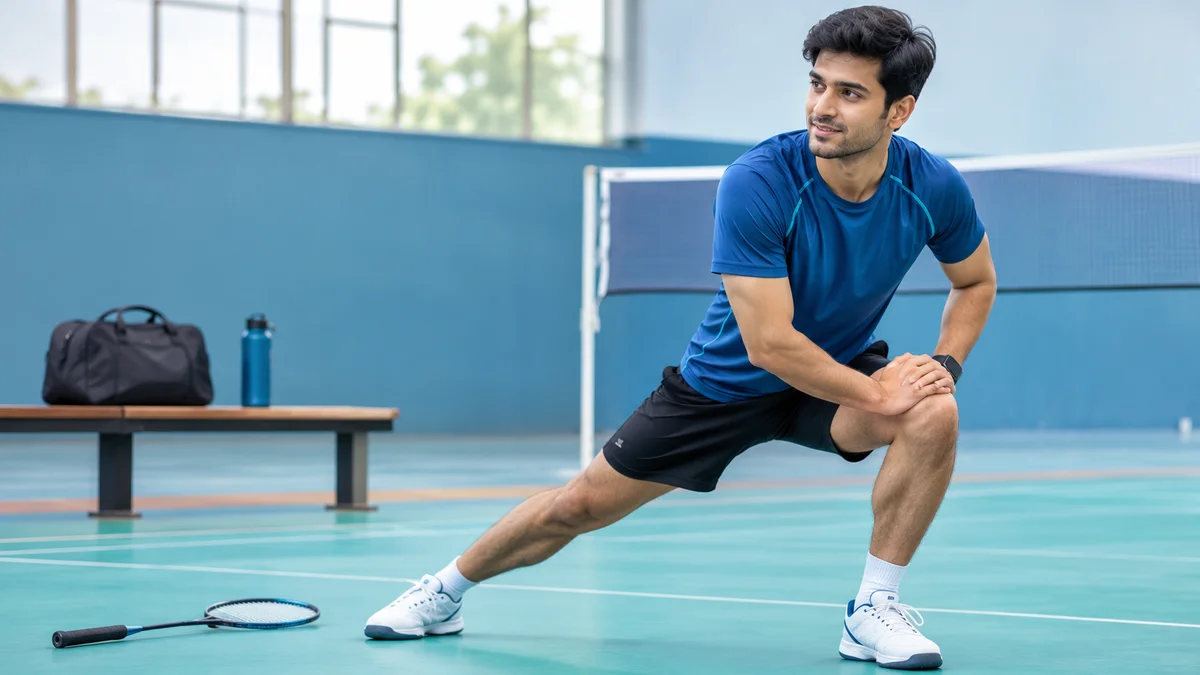
The Weekend Warrior: Why You Get Injured Playing Sports After a Week at Your Desk
You spend most of Monday to Friday sitting at your desk, attending meetings, working on your laptop and dealing with everyday responsibilities. Then the weekend arrives, and it is finally time to do something active.
Perhaps you have a badminton session planned with friends, a football match on Sunday morning, a game of padel with colleagues or a regular tennis session. You feel excited, put on your sports shoes and head straight into the game.
But halfway through the session, something feels wrong. Your calf starts tightening, your knee begins to hurt, or you feel a sudden pull in your thigh while trying to reach the ball.
You might initially brush it off as normal soreness. However, the discomfort continues after the game and makes walking, climbing stairs or even getting out of bed uncomfortable the next morning.
If this sounds familiar, you may be experiencing what is commonly described as a weekend warrior injury.
The term refers to injuries or physical problems experienced by people who concentrate much of their recreational exercise into one or two days, often after spending the rest of the week being relatively inactive.
It does not mean that playing sports only on weekends is inherently bad. Weekend sports can be an enjoyable and valuable part of an active lifestyle. The challenge is making sure your body is prepared for the physical demands of the activity.
In this guide, we explore why weekend sports injuries happen, which body areas are commonly affected, what symptoms you should pay attention to and how you can reduce the likelihood of getting injured.
What Does Being a Weekend Warrior Mean?
A weekend warrior is generally someone who participates in recreational physical activity mainly during weekends, rather than exercising consistently throughout the week.
For example, consider someone who spends eight or nine hours a day working at a desk from Monday to Friday. They may walk around the office occasionally but do very little structured exercise.
On Saturday, they play two hours of badminton. On Sunday, they join friends for football or a game of padel.
Although they may feel reasonably fit during everyday activities, their body is suddenly exposed to movements that require much more strength, coordination, speed and endurance.
Sports such as badminton, football, tennis and padel involve movements that are not always part of a typical office routine.
These may include:
- Accelerating and suddenly slowing down.
- Changing direction quickly.
- Jumping and landing.
- Reaching overhead or across the body.
- Lunging to reach a ball.
- Sprinting over short distances.
- Repeatedly loading the calves, knees, hips and shoulders.
The physical demands can be considerable, particularly when someone has not been training regularly.
However, spending the week at a desk does not automatically mean you will get injured. Your overall fitness, previous sports experience, strength, recovery, training habits and the intensity of the game all influence how well you tolerate physical activity.
The important question is not simply how many hours you spend sitting. It is whether your body is prepared for the demands you place on it when you play.
Why Do Weekend Sports Injuries Happen?
There is rarely just one explanation for a sports injury. In many cases, several factors contribute to the problem.
1. A sudden increase in physical activity
One of the common challenges for weekend athletes is the difference between their weekday activity and weekend exercise.
Imagine that you have barely exercised during the week. On Saturday, you decide to play badminton for two hours without much preparation.
Your body now has to manage repeated lunges, jumps, sudden stops and quick changes in direction.
If this level of activity is significantly greater than what you are accustomed to, your muscles and other tissues may struggle to tolerate the sudden increase in workload.
This does not mean that every intense session will cause an injury. However, regularly moving from very little activity to demanding sports sessions can make it harder to build and maintain the physical capacity needed for those activities.
2. Insufficient strength and conditioning
Playing a sport regularly does not always mean you have developed all the strength needed to perform it comfortably.
For example, a badminton player may have good hand-eye coordination and understand the game well but struggle with repeated lunges or rapid movements because their lower limb strength and endurance are limited.
Similarly, someone who plays football occasionally may be able to sprint quickly but lack the conditioning needed to repeat those efforts throughout a match.
Strength and conditioning help prepare the muscles and other structures for the demands of sport.
Depending on the activity, this may involve strengthening the calves, thighs, hips, hamstrings, shoulders and core muscles.
3. Skipping the warm-up
When friends are waiting on the court or the football match is about to start, it can be tempting to begin playing immediately.
You might spend a few seconds stretching your legs and then jump straight into intense movements.
However, your body benefits from a gradual transition into physical activity.
A suitable warm-up prepares you for the movements and intensity of the sport. It can include light jogging, brisk walking, controlled dynamic movements and exercises that gradually become more specific to the activity.
For badminton or tennis, this might involve gentle court movement, side steps, controlled lunges and gradually increasing the speed of your footwork.
For football, it may include light jogging, movement drills, controlled acceleration and changes of direction.
The warm-up should prepare you for the actual demands of the game, rather than simply being a routine you rush through.
4. Poor recovery between sports sessions
Some people play multiple sports over the weekend without considering how much physical activity they are accumulating.
For example, you might play football on Saturday morning, go for a long run in the evening and join a badminton session on Sunday.
Although each activity may feel manageable on its own, the combined workload can become demanding.
Your recovery needs depend on the intensity of the activity, your fitness, sleep, nutrition and whether you already have an injury.
If you repeatedly train hard without allowing enough time for recovery, fatigue may affect your movement, coordination and ability to maintain your usual performance.
5. Returning to sport after a long break
Another common situation is returning to a sport after several weeks or months away.
Perhaps you used to play tennis regularly but stopped because of work commitments. Now that you have more free time, you decide to play a full session with friends.
The problem is that your previous fitness level may not reflect your current physical capacity.
Your muscles, tendons and joints need time to adapt again to the specific demands of the activity.
Starting with shorter sessions and gradually rebuilding your intensity is generally more sensible than immediately attempting to play at your previous level.
Which Sports Commonly Lead to Weekend Warrior Injuries?
Different sports place different demands on the body. Understanding these demands can help you recognise the types of discomfort that may develop.
Badminton
Badminton involves repeated lunges, rapid footwork, jumping, landing and sudden changes in direction.
Common problems may include:
- Ankle sprains following an awkward landing or change of direction.
- Knee pain during repeated lunges and jumping.
- Calf strains during sudden acceleration.
- Achilles tendon pain following repeated jumping and pushing off.
- Shoulder discomfort during repeated overhead shots.
A player who has not trained regularly may find that the repeated demands of a long badminton session are more challenging than expected.
Football
Football combines running, sprinting, tackling, kicking and rapid changes of direction.
Some injuries and problems associated with recreational football include:
- Hamstring strains during sprinting.
- Calf strains during acceleration.
- Ankle sprains following contact or awkward landings.
- Knee ligament injuries during sudden twisting movements.
- Groin discomfort during kicking and directional changes.
A sudden sprint or change of direction can place substantial demands on the lower limbs, particularly when fatigue is already present.
Padel and Tennis
Padel and tennis involve repeated lateral movements, lunging, reaching, rotation and overhead shots.
Players may experience:
- Shoulder pain during serving and overhead movements.
- Elbow pain associated with repeated racket use.
- Ankle sprains during quick lateral movements.
- Knee discomfort during lunges and sudden stops.
- Calf and Achilles tendon problems from repeated pushing off.
The fact that padel is often played socially does not mean that it places little demand on the body. Players still need sufficient mobility, strength and coordination to manage the movements involved.
Running
Some weekend runners spend most of the week sitting and then attempt a long run on Saturday or Sunday.
Potential problems include:
- Shin pain and shin splints.
- Calf muscle strains.
- Achilles tendon pain.
- Knee pain associated with running.
- Foot and heel discomfort.
Running is repetitive, and the total distance, speed, terrain and recent training history all influence how the body responds.
A long run after several days of very little activity may feel significantly more demanding than a shorter run performed as part of a consistent routine.
Why Sitting All Week Can Make Weekend Sports Feel More Difficult
Sitting for long periods does not directly cause every sports injury. However, a largely sedentary weekday routine can contribute to a mismatch between your daily activity and the physical demands of weekend sport.
Think about what happens during a typical office day.
You may sit for several hours, walk only short distances, use a lift instead of stairs and spend most of your time performing tasks that require very little physical effort.
Then, within a short period, you ask your body to perform movements involving:
- Repeated squatting and lunging.
- Fast acceleration and deceleration.
- Single-leg balance and control.
- Jumping and landing.
- Rotational movements.
- Repeated overhead activity.
These are very different physical demands.
If you have not maintained sufficient strength, mobility, coordination and exercise tolerance, certain movements may feel more difficult.
You may also notice stiffness after sitting for long periods, particularly around the hips or back. This does not necessarily indicate an injury, but persistent discomfort or restricted movement may deserve further assessment.
Rather than blaming sitting alone, it is more useful to look at the bigger picture: how much you move throughout the week, what type of physical activity you perform and whether your body has gradually adapted to your chosen sport.
Is It Normal to Feel Sore After Weekend Sports?
Not every ache after a game means you have sustained an injury.
If you participate in an activity that is more demanding than your usual routine, you may experience delayed onset muscle soreness, commonly called DOMS.
This type of soreness often develops after unfamiliar or intense exercise and may become noticeable during the following day or two.
You may experience:
- General muscle tenderness.
- Stiffness when getting out of bed.
- Discomfort when climbing stairs.
- Temporary soreness when using the muscles involved in the activity.
DOMS is different from a sudden muscle injury.
A muscle strain may involve a more specific area of pain, sometimes beginning suddenly during a sprint, jump or forceful movement. Bruising, swelling, weakness or difficulty using the affected muscle may also occur.
You should not automatically assume that severe pain is normal post-game soreness.
Seek appropriate medical or physiotherapy assessment if you experience significant swelling, severe pain, difficulty bearing weight, marked weakness or symptoms that continue to worsen.
Sudden severe muscle pain accompanied by unusual swelling or dark urine after intense exercise requires urgent medical assessment.
When Should You Take Sports Pain Seriously?
Many recreational athletes continue playing despite discomfort because they do not want to miss a game or disappoint their teammates.
However, ignoring certain symptoms can delay appropriate treatment and make it harder to return to normal activity.
Pay attention if you experience:
- Sharp pain during a sprint, jump or sudden movement.
- Swelling around a joint after playing.
- A feeling that your knee or ankle is giving way.
- Difficulty walking normally after a game.
- Pain that repeatedly returns whenever you play.
- Reduced strength or movement compared with your usual ability.
- Discomfort that does not settle or continues to worsen.
If you cannot bear weight, have a visibly deformed joint, severe swelling or a suspected serious ligament injury, seek prompt medical assessment.
You do not need to wait until an injury becomes severe before seeking professional advice. Persistent or recurring pain is worth investigating, particularly if it is affecting your ability to participate in sport.
Understanding the Weekend Warrior Problem
The aim is not to discourage people from enjoying weekend sports. Playing with friends, joining recreational leagues and staying active are all valuable parts of a healthy lifestyle.
The real challenge is expecting your body to handle a demanding sports session without consistently preparing it during the rest of the week.
A little regular movement, appropriate strength training, sport-specific preparation and sufficient recovery can make a meaningful difference to how you approach your activity.
In the next part, we will explore practical ways to prepare your body for weekend sports, including warm-up routines, strength exercises, recovery strategies and how physiotherapy can help when an injury starts affecting your game.
How to Prevent Weekend Warrior Injuries: Warm-Ups, Strength and Recovery
Enjoying sports at the weekend should not mean spending the rest of the week recovering from pain.
If you spend most of your weekdays sitting at a desk and play badminton, football, padel, tennis or run during the weekend, preparing your body for these activities can make a meaningful difference.
You do not need to train like a professional athlete. What matters is building a consistent routine that improves your strength, movement control and ability to handle physical activity.
Here are some practical ways to reduce the risk of weekend warrior injuries.
1. Start With a Proper Warm-Up
One of the simplest habits you can develop is warming up before playing.
A warm-up gradually prepares your body for the movements and intensity of your chosen sport. It should not leave you exhausted. Instead, it should help you transition from rest to activity.
A useful warm-up can take around 10 to 15 minutes, depending on the sport and your individual needs.
Begin With Light Movement
Start with five minutes of easy movement to gradually increase your heart rate.
You could try:
- Brisk walking.
- Light jogging.
- Gentle cycling.
- Easy side steps.
Avoid starting with full-speed sprints or intense movements when your body is still cold.
Add Dynamic Movements
Once you are moving comfortably, include movements that prepare the muscles and joints you will use during your game.
Examples include:
- Leg swings to prepare the hips.
- Walking lunges to prepare the legs.
- Controlled bodyweight squats.
- Arm circles for the shoulders.
- Gentle trunk rotations.
- Calf raises to prepare the lower legs.
Keep the movements controlled and within a comfortable range.
Include Sport-Specific Movements
Your warm-up should gradually become more similar to the sport you are about to play.
For badminton or padel, practise gentle side steps, controlled lunges and light racket movements.
For football, include easy jogging, short accelerations and controlled changes of direction.
For running, gradually increase your pace before settling into your planned running speed.
The aim is to prepare your body for the demands of the activity rather than jumping straight into intense movements.
For additional guidance, Sport Singapore provides advice on proper warm-up and cool-down before and after any sports activity.
2. Build Strength During the Week
If your only physical activity happens on Saturday and Sunday, your body may not be adequately prepared for the demands of your sport.
You can improve your physical conditioning by adding a few short strength sessions during the week.
You do not necessarily need a gym membership. Many basic exercises can be performed at home using your body weight.
Squats
Squats help develop strength in the quadriceps, glutes and other muscles involved in lower limb movement.
They are useful for activities that involve jumping, landing and changing direction.
Start with a comfortable range of movement and focus on maintaining control throughout the exercise.
Glute Bridges
Glute bridges target the gluteal muscles, which contribute to hip extension and pelvic control.
Lie on your back with your knees bent and feet placed on the floor. Lift your hips gradually, pause briefly and lower them with control.
Avoid arching your lower back excessively.
Calf Raises
Your calf muscles play an important role in walking, running, jumping and pushing off the ground.
Stand with your feet comfortably apart. Slowly rise onto your toes, pause and lower your heels.
Start with both legs before progressing to single-leg variations if appropriate.
Lunges
Lunges help develop lower limb strength and control.
Step forward, lower your body within a comfortable range and return to the starting position.
Focus on maintaining balance and controlling your knee and hip movements.
Planks
Planks develop trunk strength and endurance.
Keep your body aligned while supporting yourself on your forearms and toes, or use a modified version with your knees on the floor.
Avoid allowing your lower back to sag.
Start with a manageable number of repetitions or short holds. Increase the challenge gradually as your strength improves.
If an exercise causes sharp pain or aggravates an existing injury, stop and seek appropriate advice rather than pushing through it.
3. Improve Your Balance and Movement Control
Strength is important, but sports also require coordination and balance.
Think about the movements involved in badminton, football or padel. You rarely move in a straight line at a steady speed. You accelerate, stop, turn, reach and land repeatedly.
Practising controlled movements can help prepare your body for these demands.
Some useful options include:
- Single-leg standing to practise balance.
- Controlled step-downs to develop lower limb control.
- Side steps to practise lateral movement.
- Single-leg calf raises, if comfortable.
- Gentle single-leg reaching exercises.
You can begin with simple movements and progress as your control improves.
For people who regularly experience ankle sprains or feel unsteady during sports, balance and movement-control training may be particularly useful.
4. Do Not Concentrate All Your Exercise Into the Weekend
One of the most practical changes you can make is spreading physical activity throughout the week.
Instead of going from very little movement on weekdays to several hours of intense sport at the weekend, introduce manageable activity on other days.
For example:
Monday: 20 to 30 minutes of walking.
Tuesday: A short strength session focusing on the legs and core.
Wednesday: Light walking, cycling or another comfortable aerobic activity.
Thursday: A second strength session or mobility routine.
Friday: Light activity and preparation for the weekend.
Saturday: Your preferred sport, such as badminton, football or padel.
Sunday: Recovery, walking or another low-intensity activity depending on how your body feels.
This is only an example. Your routine should reflect your fitness level, schedule, sporting demands and recovery needs.
The broader goal is to make physical activity a regular part of your week rather than relying entirely on weekend sessions.
5. Increase Your Sports Activity Gradually
If you have not played for several weeks or months, avoid immediately returning to your previous playing duration and intensity.
Start with shorter sessions and comfortable effort levels.
For example, if you previously played badminton for two hours, you could begin with a shorter session and gradually increase the duration as your body tolerates it.
The same principle applies to running. Avoid suddenly increasing your distance, speed and number of weekly sessions at the same time.
Pay attention to how your body responds during activity and over the following day.
If you experience increasing pain, swelling or persistent discomfort, reduce the activity and consider getting assessed.
There is no single percentage or progression schedule that works for everyone. Your starting point, previous injuries and current fitness all matter.
6. Give Your Body Enough Time to Recover
Recovery is an important part of sports preparation.
Playing intensely on consecutive days may be difficult if your body is not accustomed to that workload.
Allow enough time between demanding sessions, particularly if you notice significant muscle soreness or fatigue.
A few habits can support recovery:
Prioritise sleep: Adequate sleep supports normal recovery and physical performance.
Stay hydrated: Replace fluids lost through sweating, particularly in Singapore's warm and humid conditions.
Eat balanced meals: Include sufficient energy, protein, carbohydrates, fruits and vegetables to support your activity level.
Manage training intensity: Not every session needs to be played at maximum effort.
Pay attention to soreness: Mild muscle soreness can occur after unfamiliar activity, but persistent or worsening pain should not be ignored.
Remember that recovery is individual. Your age, training history, workload and health all influence how much recovery you need.
7. Wear Appropriate Footwear and Use Suitable Equipment
Your footwear should be appropriate for the activity you are doing.
Badminton shoes, football boots and running shoes are designed for different surfaces and movement demands. Using unsuitable footwear may affect comfort, grip and movement.
Consider the following:
- Choose shoes designed for your sport.
- Make sure the footwear fits comfortably.
- Replace shoes when they become excessively worn.
- Check that the playing surface is suitable and free from hazards.
- Use appropriate protective equipment where required.
Footwear alone cannot prevent sports injuries, but appropriate equipment is one part of preparing safely for physical activity.
8. Know When to Modify or Stop Playing
Many recreational athletes continue playing because they do not want to miss a game.
However, there is a difference between normal exertion and pain that signals a possible injury.
You should consider stopping or modifying activity if you experience:
- Sudden sharp pain.
- Increasing pain during movement.
- Noticeable swelling.
- Difficulty running, jumping or changing direction.
- A feeling that your knee or ankle may give way.
- Pain that changes the way you walk or move.
Do not use painkillers simply to mask symptoms so that you can continue playing.
If symptoms are severe, persistent or recurring, seek an appropriate medical or physiotherapy assessment.
9. When Can Physiotherapy Help?
Sometimes, improving your warm-up and exercise routine is not enough.
If you repeatedly experience calf tightness, knee pain, ankle discomfort, shoulder pain or muscle strains after playing sports, it may be worth understanding why these symptoms keep returning.
Physiotherapy can help assess factors such as:
- Joint movement and mobility.
- Muscle strength and endurance.
- Balance and coordination.
- Movement control during sport-specific activities.
- Training history and recent changes in activity.
- Your ability to tolerate the physical demands of your sport.
Based on the findings, a physiotherapist may recommend an individualised rehabilitation or conditioning programme.
For example, someone who experiences recurring calf discomfort while playing football may need a closer assessment of calf strength, ankle movement, running demands and recovery habits.
Similarly, someone with repeated knee discomfort during badminton may benefit from an assessment of lower limb strength, movement control and tolerance to lunging and jumping.
The objective is not simply to reduce discomfort temporarily. It is to understand the factors contributing to the problem and help you work towards returning to your preferred activities safely.
A Simple Weekly Routine Can Make a Difference
You do not have to completely change your lifestyle to become better prepared for weekend sports.
A few consistent habits can help:
- Include two manageable strength sessions during the week.
- Avoid remaining inactive for long periods whenever possible.
- Warm up before every sports session.
- Increase playing time and intensity gradually.
- Allow enough recovery between demanding sessions.
- Pay attention to recurring pain instead of ignoring it.
The key is consistency. A short, sustainable routine during the week is often more practical than trying to compensate for five inactive days with one intense weekend session.
Returning to Sport Safely: How Weekend Warriors Can Avoid Repeat Injuries
For many people, the hardest part of a sports injury is not the initial pain. It is being unable to participate in an activity they genuinely enjoy.
You might have been playing badminton every Saturday, joining your friends for football on Sundays or going for regular runs along East Coast Park. Then an ankle sprain, muscle strain or knee problem interrupts your routine.
After a few days of rest, the pain may feel better. You might even feel ready to return to the court or field.
But feeling less pain does not always mean your body is ready for the same physical demands as before.
Returning to sport requires more than simply waiting for discomfort to disappear. Your strength, mobility, balance, coordination and ability to tolerate the demands of your sport all need consideration.
1. Do Not Return to Sport Just Because the Pain Has Reduced
One common mistake among recreational athletes is returning to their previous activity level as soon as the pain settles.
For example, imagine you experienced a calf strain while playing football. After resting for a week, walking feels comfortable again, so you decide to join your regular weekend match.
However, football involves sprinting, sudden acceleration, rapid changes of direction and repeated pushing off the ground. These movements place considerably different demands on your calf compared with ordinary walking.
The same applies to other sports.
- Badminton requires repeated lunges, jumping and quick direction changes.
- Padel involves lateral movement, sudden stops and repeated racket swings.
- Running requires repeated loading of the lower limbs.
- Football involves sprinting, kicking, tackling and rapid acceleration.
Your return should consider whether you can tolerate these movements, not simply whether you can walk without pain.
2. Follow a Gradual Return-to-Sport Approach
A structured return to sport allows you to rebuild your activity level progressively.
The exact process depends on the injury, its severity and your current physical capacity. However, the following stages provide a general example.
Stage 1: Restore Comfortable Everyday Movement
Before returning to intense exercise, focus on normal daily activities.
You should be able to perform basic movements such as walking, climbing stairs and standing without significant discomfort.
Depending on your injury, rehabilitation may also involve restoring joint movement and gradually rebuilding muscle strength.
Stage 2: Rebuild Strength and Control
Once everyday movement is comfortable, the next step is improving the strength and control needed for your sport.
For a lower limb injury, this may include:
- Controlled squats.
- Step-ups and step-downs.
- Calf strengthening.
- Balance exercises.
- Hip and glute strengthening.
- Single-leg movement exercises.
The exercises should match your injury and individual assessment findings.
Stage 3: Introduce Sport-Specific Movements
Your body needs to become comfortable with the movements involved in your chosen activity.
For example:
A badminton player may gradually practise controlled lunges, side steps and short court movements.
A football player may progress from light jogging to controlled acceleration, running and direction changes.
A runner may gradually increase running duration before introducing faster efforts.
The intensity should increase according to your response rather than following a fixed timetable.
Stage 4: Return to Training
Before returning to competitive or unrestricted play, you should be able to tolerate more demanding sport-specific activities.
This may include:
- Running at different speeds.
- Jumping and landing.
- Accelerating and slowing down.
- Changing direction.
- Repeated sport-specific movements.
- Performing skills under increasing physical demands.
A physiotherapist can help assess your readiness and identify areas that may still need attention.
Stage 5: Return to Regular Sport
Returning to your usual sporting routine should be gradual.
You may initially reduce the duration or intensity of your sessions. Avoid immediately playing multiple long matches or participating in demanding sessions on consecutive days.
Monitor how your body responds during activity and over the following 24 hours.
If pain, swelling or other symptoms return, reduce the workload and seek further assessment when necessary.
3. Why Do Some Sports Injuries Keep Coming Back?
If the same pain returns every weekend, it may be worth looking beyond the immediate symptoms.
Recurring sports injuries can have several contributing factors.
Returning Before Full Recovery
You may feel comfortable during everyday activities but still lack the strength or movement capacity required for your sport.
Returning too early can expose the affected area to demands it is not yet prepared to handle.
Inadequate Strength and Conditioning
If the muscles involved in a particular movement lack sufficient strength or endurance, you may struggle to tolerate repeated sporting activity.
For example, someone who experiences recurring calf discomfort while running may need to rebuild calf strength and gradually improve their tolerance to running loads.
Sudden Changes in Training Load
Increasing playing time, intensity and frequency too quickly can place additional demands on your body.
This is particularly relevant if you have recently returned to sport after a long break.
Movement and Technique Factors
Your movement patterns may also influence how your body handles sporting activities.
For example, repeated knee discomfort during lunges may require a closer look at strength, balance, mobility and movement control.
There is no single movement pattern that explains every injury. An individual assessment is important before deciding what needs to change.
Insufficient Recovery
Repeated intense sessions without enough recovery can make it difficult to maintain performance and manage physical demands.
Sleep, nutrition, hydration and appropriate training frequency all contribute to recovery.
4. How Physiotherapy Can Help Weekend Warriors
You do not need to be a professional athlete to benefit from sports physiotherapy.
Recreational athletes can also experience injuries that affect their ability to exercise, play with friends or maintain an active lifestyle.
At ACE Physio Sports, sports injury management and rehabilitation focuses on understanding the injury, restoring physical capacity and helping individuals work towards returning to their preferred activities.
A physiotherapy assessment may include:
Understanding your injury history
The physiotherapist may ask when the pain started, which movements aggravate it, how frequently you play sports and whether you have experienced similar problems before.
Assessing movement and mobility
Joint movement, flexibility and movement patterns may be assessed to identify limitations that could be relevant to your symptoms.
Checking strength and control
Depending on your injury, the assessment may include muscle strength, balance, coordination and functional movement tests.
Developing an individualised rehabilitation plan
Your programme may include strengthening exercises, mobility work, balance training and sport-specific rehabilitation.
Planning your return to sport
Your progress can be monitored as you gradually rebuild the physical capacity needed for your chosen activity.
You can learn more about ACE Physio Sports' sports injury rehabilitation service and how the clinic supports recreational athletes and active individuals.
5. A Representative Example: The Weekend Badminton Player
Consider a recreational badminton player who works at a desk throughout the week and plays with friends every Saturday.
After several weeks of playing, they begin experiencing discomfort around the knee during lunges and quick changes of direction.
Initially, the discomfort settles after resting. However, it returns during the next weekend session.
Instead of continuing to play through the symptoms, they decide to seek a physiotherapy assessment.
The assessment considers several factors, including lower limb strength, knee movement, balance, training frequency and the physical demands of badminton.
Based on the findings, the rehabilitation programme may involve improving leg strength, practising controlled single-leg movements and gradually rebuilding tolerance to lunging and direction changes.
As the player's capacity improves, badminton-specific movements can be reintroduced progressively.
The important lesson is that repeatedly managing pain after every game may not address the factors contributing to the problem.
Understanding why the discomfort occurs can help guide a more appropriate recovery plan.
This is a representative educational example, not a documented ACE Physio Sports patient case or a guaranteed treatment outcome.
6. Building a Long-Term Routine as a Weekend Warrior
Once you have returned to your preferred sport, the next challenge is maintaining your physical conditioning.
You do not need an complicated training programme. A realistic routine that fits around your work schedule is often easier to maintain.
Here are some habits worth keeping.
Stay active during weekdays
Take short walking breaks, use the stairs when appropriate and avoid remaining in the same position for extended periods.
Maintain regular strength training
Include exercises that develop strength in the muscles used during your sport. Aim for consistency rather than doing too much in a single session.
Warm up before playing
Give yourself enough time to prepare for the movements and intensity of your activity.
Increase activity gradually
Avoid sudden increases in playing time, running distance or training intensity.
Respect recovery
Allow your body enough time to recover after demanding sessions. Adjust your next session if you are experiencing unusual fatigue or persistent soreness.
Pay attention to recurring symptoms
If the same pain keeps returning, do not simply accept it as part of playing sports. Consider getting it assessed.
7. When Should You See a Physiotherapist?
Some muscle soreness after exercise is normal, particularly when you try a new activity or increase your training intensity.
However, recurring or persistent symptoms deserve attention.
Consider a physiotherapy assessment if:
- You repeatedly experience pain during or after sports.
- Your knee or ankle feels unstable.
- You have difficulty returning to your previous activity level.
- You notice reduced strength or movement.
- You experience recurring calf, hamstring or groin strains.
- Your shoulder or elbow hurts during racket sports.
- You keep modifying your movements because of discomfort.
- An old injury continues to affect your sporting performance.
If you experience severe pain, significant swelling, an obvious deformity or an inability to bear weight, seek prompt medical assessment.
The earlier you understand what may be contributing to a recurring problem, the sooner you can make informed decisions about your activity and recovery.
Stay Active, Play Better and Look After Your Body
Being a weekend warrior is not a bad thing. Playing badminton, football, padel, tennis or running can be an enjoyable way to stay active, manage stress and spend time with friends.
The challenge is making sure your body is prepared for the demands of these activities.
You do not need to become a professional athlete or spend hours in the gym. Regular movement, basic strength training, appropriate warm-ups and sufficient recovery can all contribute to a more sustainable sporting routine.
If you are experiencing recurring sports pain or struggling to return to your favourite activity after an injury, ACE Physio Sports can help you understand your symptoms and explore an appropriate rehabilitation approach.
Located along East Coast Road in Singapore, ACE Physio Sports supports recreational athletes and active individuals working towards better movement, recovery and sports participation.
ACE Physio Sports
Eastgate Building, 46 East Coast Road, #08-03, Singapore 428766
Call or WhatsApp: +65 81535374
Email: admin@acephysiosports.com
Do not let recurring discomfort become the reason you stop enjoying the sports you love. Take care of your body, build your physical capacity and keep moving.